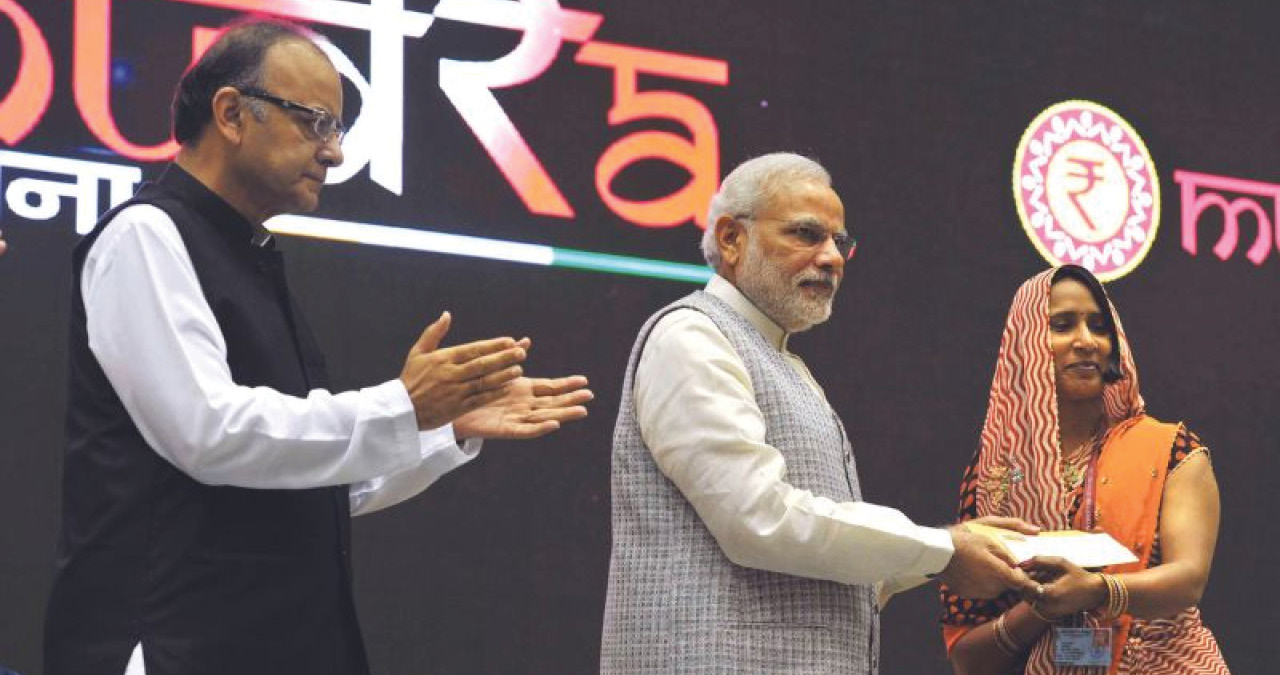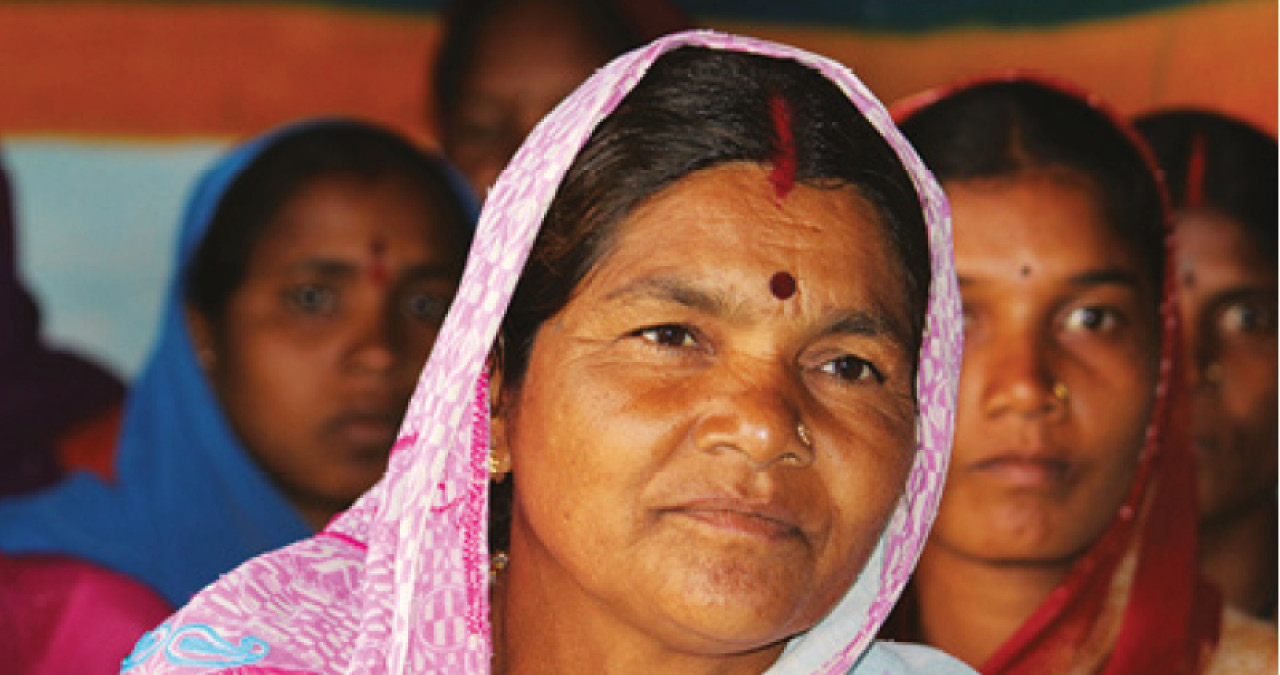
In ModiNomics: A Journey of Inclusive Growth, I recount the experience of Gayatri Rajbanshi in Nadia district, West Bengal. A self-help group loan enabled her to start making steel furniture. Subsequent borrowing helped her acquire better equipment and expand, while the enterprise also financed her children’s education. The significance is not that every borrower follows the same path, but that economic opportunity can begin far from business centres.
The World Bank’s Poverty & Equity Brief: India, October 2026 underscores this renewed importance. It identifies rural women entering paid work as a major contributor to employment expansion between 2017 and 2023, increasing the number of earners within households. Women appear not merely as recipients of development, but as participants in producing it.
This is central to the book’s account. In Gujarat, Mission Mangalam sought to bring women’s groups together with banks, training agencies, companies and markets. The aim was not merely to distribute credit. It was to build relationships through which women could acquire skills or ganise production and participate in economic activity on better terms.
The national story builds on institutions that predate 2014. ModiNomics acknowledges this history while examining the expansion of financial access and livelihood support that followed. Recognising continuity does not diminish the significance of scaling up. It directs attention to what makes established institutions work more effectively for women who still face exclusion.
The Bank’s findings illuminate the household economy. A family can increase its consumption when another member starts earning, even if earnings per worker rise only slightly. That helps explain how poverty reduction and broadly unchanged real earnings can coexist. It does not make stagnant earnings desirable; it shows why participation and remuneration must be examined separately.
For policy, the next question is not simply how many women have joined the workforce. It is what kind of work they obtain, what they retain as net income and whether they exercise greater control over economic decisions. Household poverty measures alone cannot establish a woman’s autonomy. Participation matters, but agency must matter too.
Caution is necessary because the Bank finds employment growth concentrated in low-productivity activities. It also reports rising youth unemployment, particularly among young women in rural areas. ModiNomics acknowledges that some increases in women’s work have involved unpaid family labour. These are distinct categories of work, not interchangeable evidence of complete empowerment.
My reading is that the next stage should focus on turning participation into stronger economic positions. Women’s enterprises need dependable buyers, working capital, product quality and management support. Progress should be assessed by repeat orders, profits after costs and enterprise survival, rather than by the number of groups formed or loans issued alone.
The book links women’s opportunities to housing, basic amenities and financial access. Building on that approach, programmes should assess whether women have the time, mobility and support needed to take advantage of economic opportunities. An invitation to become an entrepreneur is incomplete if the practical conditions for running an enterprise are absent.
Nor should empowerment require every woman to become self-employed. Some will prefer entrepreneurship; others will seek regular employment. A genuinely inclusive approach should broaden both options and support informed choice. Collective institutions can help but should expand options rather than prescribe a single livelihood for everyone.
The World Bank’s findings reinforce an important message of ModiNomics: women’s economic participation must be at the centre of India’s growth. The next achievement must go further. When women can earn more, build assets and choose their futures, the gains extend beyond the poverty threshold. They become a foundation for prosperity and equality.
It is a story of executing ambition. And all this has been made possible due to the ‘Can Do’ approach of India's Prime Minister Shri Narendra Modi ji. The book...
Those efforts in Gujarat became the foundation for what is now India’s national framework of tribal inclusion. Under Modi’s leadership, Gujarat launched the Vanbandhu Kalyan Yojana (VKY) — a path...
The modernisation of coal mining—through mechanisation, improved logistics and environmental safeguards—has ensured that energy inclusion remains both viable and sustainable.
"American roads are good not because America..
State Rankings Highlights -: Odisha scaled to number..
Step 1: Call for Project Submission Call for..
In the run-up to the elections, the most..

Inclusion is the first magazine dedicated to exploring issues at the intersection of development agendas and digital, financial and social inclusion. The magazine makes complex policy analyses accessible for a diverse audience of policymakers, administrators, civil society and academicians. Grassroots-focused, outcome-oriented analysis is the cornerstone of the work done at Inclusion.