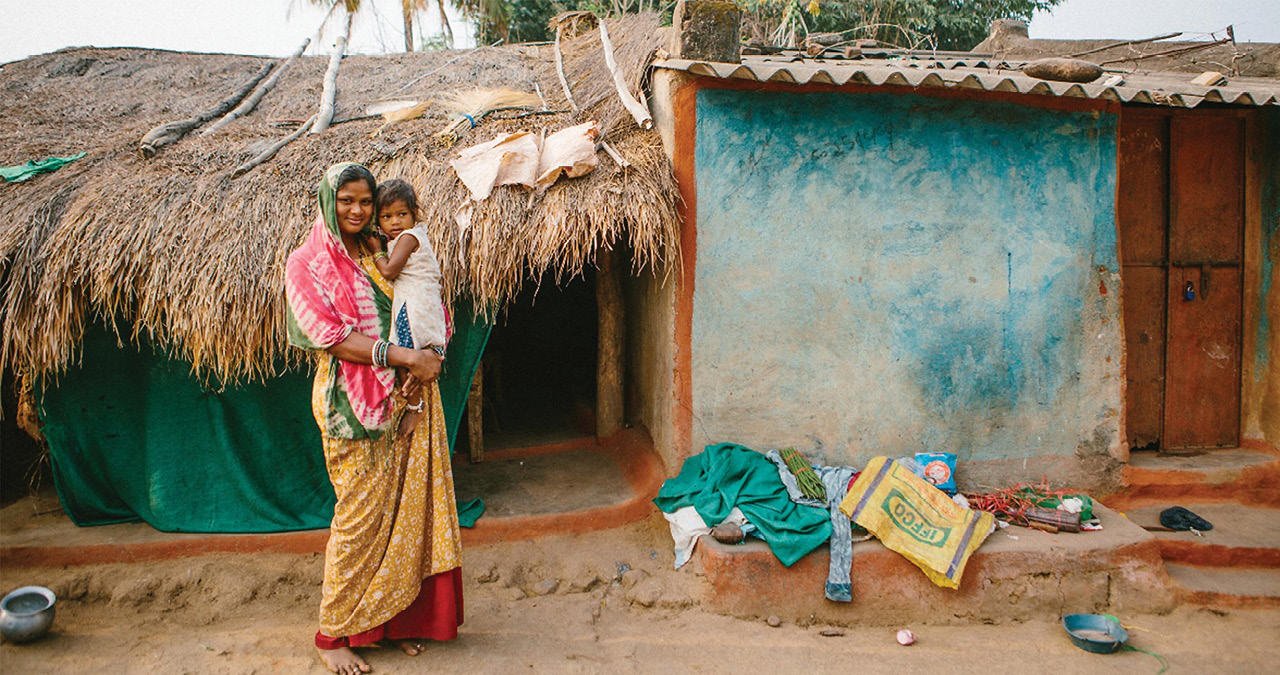
A tailor expanding her workshop and a worker securing a factory appointment represent different forms of employment, yet neither should be invisible in India’s economic debate. In ModiNomics: A Journey of Inclusive Growth, I argue that judging job creation solely by formal corporate payrolls overlooks much of the country’s working reality. The World Bank’s Poverty & Equity Brief: India, October 2026, sharpens that argument.
The Bank reports that employment increased by 134 million people between 2017 and 2023, nearly twice the expansion of the working-age population. Rural women entering paid work were an important contributor. This is evidence against the assertion that economic growth generated no employment expansion.
But the report carries a warning: real earnings remained broadly unchanged, while employment growth was concentrated in relatively low-productivity activities. More work does not automatically mean sufficiently remunerative work. A serious assessment must acknowledge employment expansion without treating any livelihood as the sole measure of success.
ModiNomics approaches this through two linked arguments. The first is that micro-enterprises, self-employment and public works belong within the employment story. The second is that these opportunities must evolve into more productive businesses and better jobs. The book’s Work in Progress chapter acknowledges that lower unemployment can coexist with insecure work and necessity-driven self-employment.
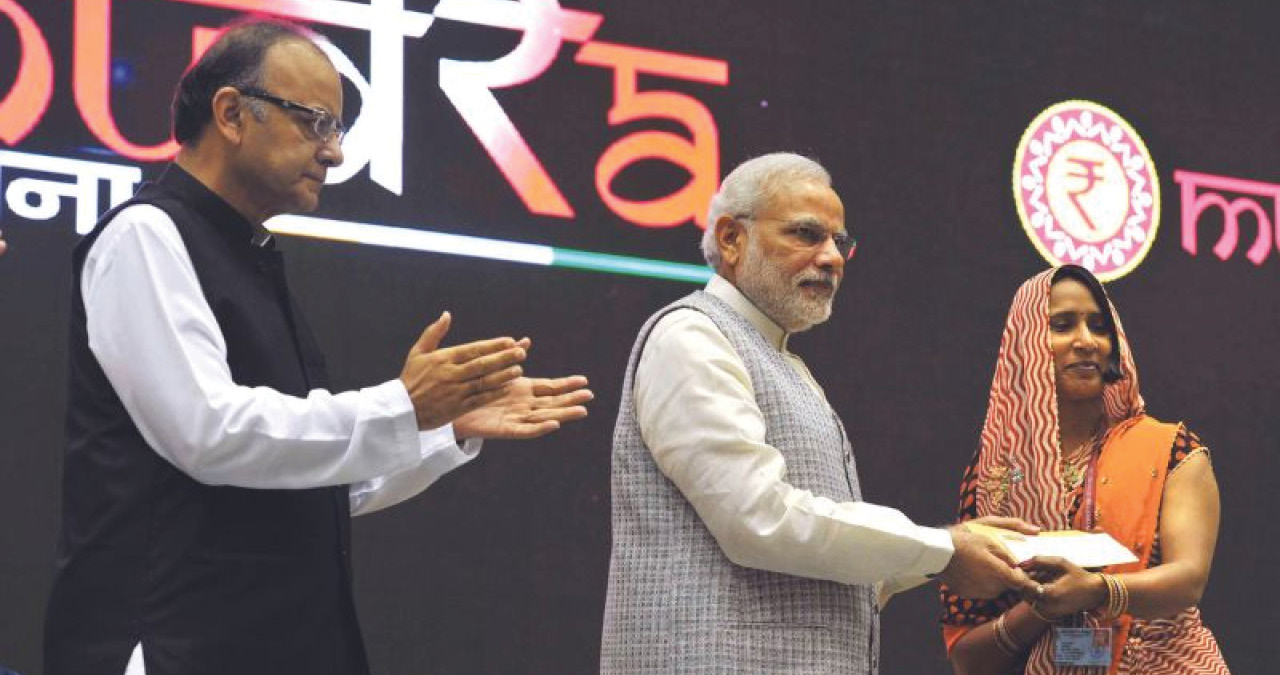
That distinction matters in the debate over microcredit. The book examines MUDRA and self-help groups as means of bringing finance to people previously excluded from institutional lending. A small enterprise should not be dismissed for lacking the appearance of a large factory. Equally, a loan disbursement is not proof that a durable additional job has been created.
Employment measurement therefore requires discipline. The number of people working, the days they work, the livelihoods supported by credit and the net addition of jobs answer different questions. The World Bank’s employment estimate cannot replace or be added to programme-based estimates in the book. The underlying units and methods must remain clear.
The policy question is how to make work pay better. For an enterprise, access to credit must be accompanied by customers, suitable technology, reliable infrastructure and the skills to manage expansion. Otherwise, finance may sustain activity without enabling the productivity gains needed for higher wages. The objective should be progression, not permanent smallness.
Public investment should be assessed through the same lens. Building a road creates construction jobs, but its broader employment impact depends on whether it supports commerce, commuting and productive investment afterwards. Similarly, skills programmes should be judged by sustained earnings and suitable employment, not only by enrolments or certificates. These are practical tests of the book’s job-generative growth principle.
The urgency is evident in the Bank’s recent labour-market observations. Youth unemployment rose from 14.6% to 15.9% between the first quarters of FY2026 and FY2027, particularly affecting young women in rural areas. Long-term employment gains and current difficulties can coexist. Neither should erase the other.
My conclusion on ModiNomics calls for manufacturing, modern services, stronger small enterprises and dignified, well-paying work. That agenda should unite those concerned about inadequate employment with those documenting achievements in financial inclusion. Supporting a micro-entrepreneur today and enabling larger productive enterprises tomorrow are complementary responsibilities.
We should retire the false choice between counting jobs and caring about their quality. India needs both. The World Bank corroborates substantial employment expansion while exposing its limitations. The book’s next chapter follows from that combination: give more people a foothold in economic life, then make that foothold secure enough to support advancement. Inclusive growth succeeds when participation leads not merely to activity but to rising productivity, better earnings and genuine opportunity.
It is a story of executing ambition. And all this has been made possible due to the ‘Can Do’ approach of India's Prime Minister Shri Narendra Modi ji. The book...
Those efforts in Gujarat became the foundation for what is now India’s national framework of tribal inclusion. Under Modi’s leadership, Gujarat launched the Vanbandhu Kalyan Yojana (VKY) — a path...
The modernisation of coal mining—through mechanisation, improved logistics and environmental safeguards—has ensured that energy inclusion remains both viable and sustainable.
"American roads are good not because America..
State Rankings Highlights -: Odisha scaled to number..
Step 1: Call for Project Submission Call for..
In the run-up to the elections, the most..

Inclusion is the first magazine dedicated to exploring issues at the intersection of development agendas and digital, financial and social inclusion. The magazine makes complex policy analyses accessible for a diverse audience of policymakers, administrators, civil society and academicians. Grassroots-focused, outcome-oriented analysis is the cornerstone of the work done at Inclusion.