The destination set out in ModiNomics: A Journey of Inclusive Growth is high income with equity. That ambition goes beyond reducing extreme poverty. It asks whether ordinary families can build assets, educate their children, manage adversity and look forward to better lives. The World Bank’s Poverty & Equity Brief: India, October 2026 highlights the distinction between reduced deprivation and lasting prosperity.
The report records substantial poverty reduction but also wage disparities. In 2023, median earnings among the top tenth of workers were about thirteen times those of the bottom tenth. At the same time, it reports a consumption Gini of 23.0. These indicators illuminate different aspects of economic life; they are not competing verdicts from which we must choose one.
In the book’s Equitable Growth as a Foundation for Development chapter, I emphasise consumption because it helps reveal material living standards: what families can afford, which needs they can meet and how welfare affects their lives. This is indispensable for assessing deprivation. But consumption does not capture everything that matters for a fair society.
A family may maintain spending by drawing down savings or borrowing. Another may accumulate wealth without proportionally increasing consumption. Income, consumption and assets therefore cannot be treated as identical. ModiNomics recognises the need for measures of wealth and opportunity alongside a consumption-based assessment of welfare.
The Bank similarly cautions that household surveys may not fully capture the consumption of wealthier households and likely understate inequality. It also notes that recent measured welfare gains reflect both genuine improvements and better measurement. Taking those caveats seriously does not invalidate the progress. It prevents a sound finding from being exaggerated.
We should avoid two errors. Falling poverty does not prove that every distributional problem is solved. Equally, unequal wealth does not prove that poorer households have made no progress. An economy can reduce deprivation while still facing serious questions about earnings, asset accumulation and mobility. Policy must address both realities.
The report links persistent poverty to lower education, fewer assets, limited stable employment and higher dependency ratios. This points to a task larger than merely supplementing consumption. Families need better opportunities to earn, stronger human capabilities and protection against setbacks. The book’s concluding emphasis on education, healthcare, productive employment and asset ownership speaks directly to that challenge.
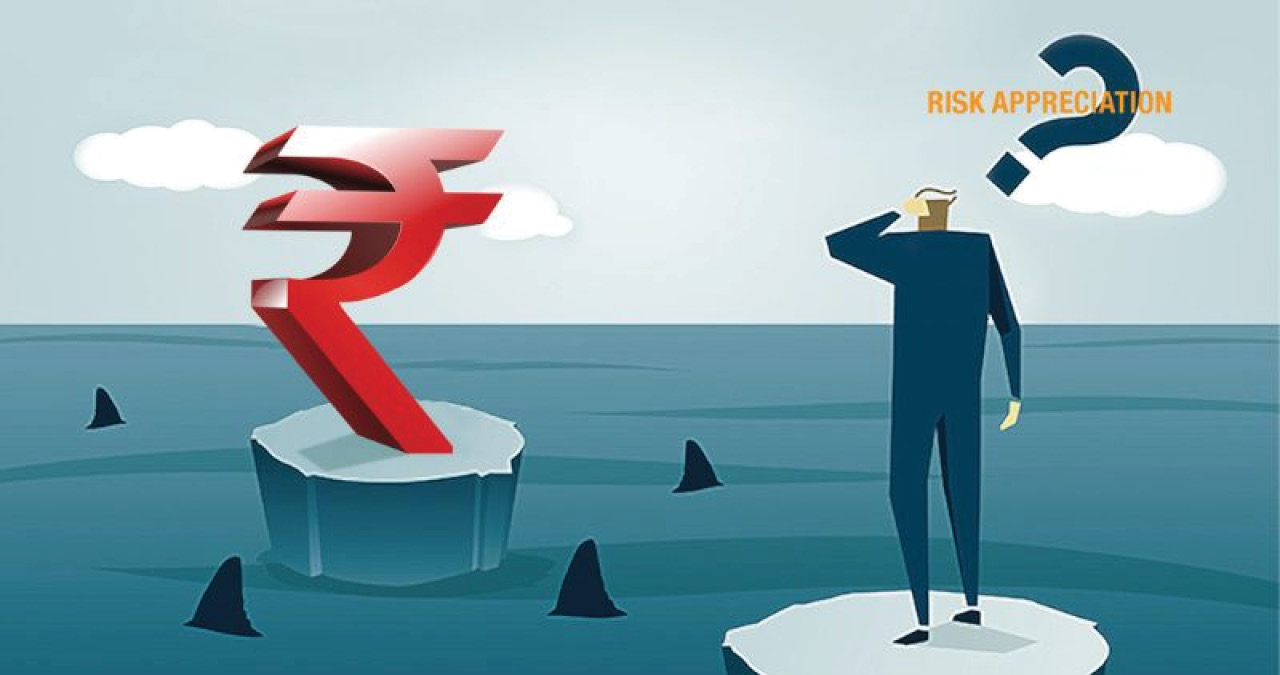
My priority is to make economic security an explicit measure of development. After a household crosses the poverty threshold, can it manage illness without resorting to distress borrowing? Can its children continue their studies when earnings fall? Does it have reliable work, usable savings and appropriate protection? These questions turn a statistical transition into a more demanding policy agenda.
This changes how institutions assess success. Financial inclusion should promote savings, credit and protection, not borrowing alone. Education policy should focus on learning and opportunity, not enrolment alone. Healthcare should protect health and household finances. Enterprise support should help businesses become more productive, not merely increase the number registered.
The sustainability dimension of ModiNomics extends to environmental responsibility and resilient institutions. The World Bank brief does not assess those aspects and should not be presented as doing so. Nevertheless, they remain essential to the book’s ambition: progress must endure rather than leave future households exposed to avoidable risks.
The breadth and durability of prosperity should be the measure of India’s next milestone. The World Bank provides evidence that deprivation has fallen; ModiNomics asks how inclusion can become a development path. The task ahead is to join those propositions: preserve gains, expand opportunity and make economic security attainable for more families.
It is a story of executing ambition. And all this has been made possible due to the ‘Can Do’ approach of India's Prime Minister Shri Narendra Modi ji. The book...
"American roads are good not because America..
State Rankings Highlights -: Odisha scaled to number..
Step 1: Call for Project Submission Call for..
In the run-up to the elections, the most..

Inclusion is the first magazine dedicated to exploring issues at the intersection of development agendas and digital, financial and social inclusion. The magazine makes complex policy analyses accessible for a diverse audience of policymakers, administrators, civil society and academicians. Grassroots-focused, outcome-oriented analysis is the cornerstone of the work done at Inclusion.