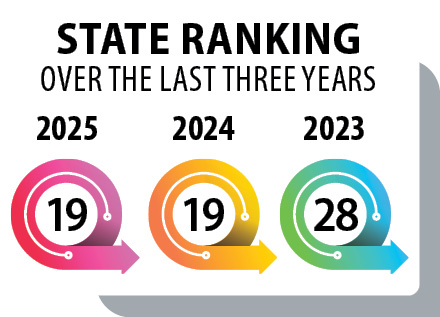
Jharkhand’s governance story in 2025 is not loud, it is layered. Ranked #19 nationally in the SKOCH State of Governance Report, the state sits in the mid-band of national competition. Yet the real shift this year lies in where it has chosen to invest its energy: health systems, classrooms, rural institutions and cooperative structures. A total of 19 well-performing projects from the state qualified for deeper study this year.
From Strain to Structure
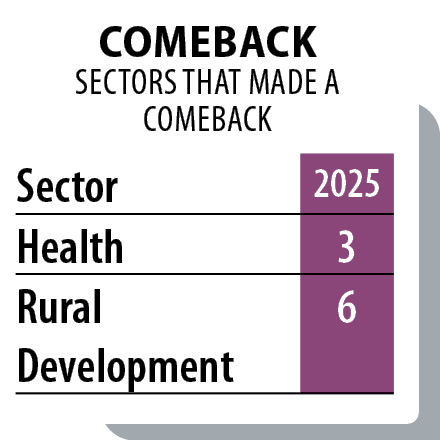
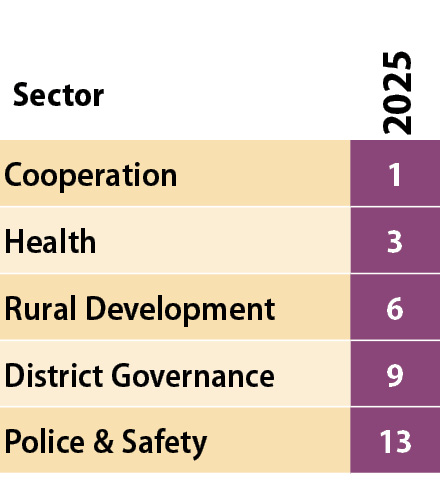
The most striking turnaround appears in Health, where Jharkhand now ranks 3rd nationally.
Governance here feels more deliberate, less reactive, more composed. The state is rebuilding its foundations and doing so with focus, discipline and quiet resolve
For a state once challenged by gaps in access and infrastructure, this leap reflects a decisive recalibration. Primary healthcare units have been strengthened, district-level supervision has become more structured and monitoring of key indicators is increasingly data-driven.
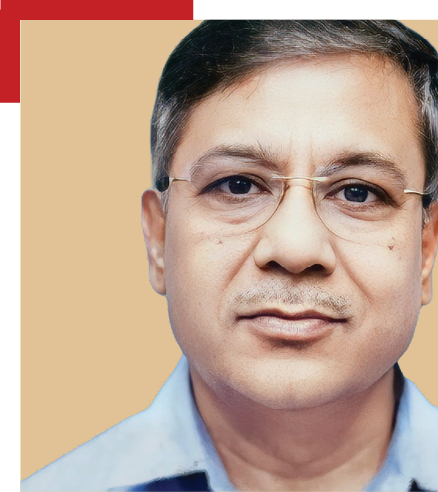
Jharkhand, rich in natural and human resources, continues to contribute significantly to the national economy. With a clear roadmap, the state is strengthening education, healthcare, tourism, agriculture, sports and infrastructure
Hemant Soren Chief Minister, Jharkhand
What sets this performance apart is coherence, surveillance systems, outreach mechanisms and facility-level reporting now align more tightly. The result is not merely improved ranking, but a clearer architecture of accountability.
Health, in 2025, is no longer a vulnerable link. It is one of Jharkhand’s strongest pillars.
Reclaiming Momentum
Parallel to its health resurgence, Jharkhand has regained ground in Education.
Improved attendance monitoring, digital integration in school administration and sharper district oversight have strengthened implementation. The focus has shifted from expansion to consolidation, ensuring that delivery matches design.
Jharkhand Dairy Development Project
Jaidev Biswas
Managing Director Jharkhand State Cooperative Milk Producers’ Federation Limited
The Jharkhand Milk Federation (JMF), operating under the flagship brand Medha, represents a transformative cooperative model designed to revitalise the rural economy in one of India’s most underdeveloped states. Established as a partnership between the Government of Jharkhand and the National Dairy Development Board (NDDB), JMF has successfully transitioned from a nascent initiative in 2014 to a robust dairy ecosystem.
The core of JMF’s success lies in its tiered cooperative framework, connecting over 65,000 active milk producers through 1,150 Dairy Cooperative Societies (DCS). With daily procurement exceeding 2.5 lakh kg, the federation ensures transparency through digitised collection units and direct bank transfers every ten days.
To support this growth, JMF has invested heavily in infrastructure, including the state-of-the-art Medha Dairy Plant in Ranchi and a newly sanctioned 20 MT/day milk powder plant.
A Debut with Authority
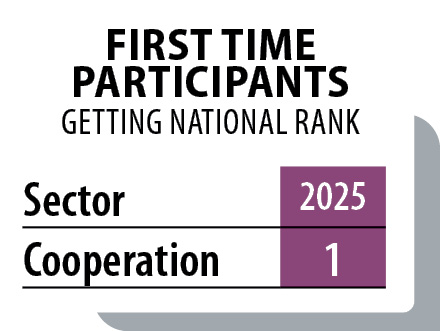
Perhaps the most remarkable achievement of 2025 is Jharkhand’s entry into the Cooperation category and its immediate emergence at the very top nationally.
This is not symbolic leadership. It reflects revitalised cooperative institutions, improved financial governance within societies and enhanced transparency in operations. Digitisation has reduced opacity. Oversight mechanisms have strengthened trust.
For a state with deep rural networks, cooperatives are more than institutions they are economic anchors. Securing first place in a debut year suggests groundwork laid well before recognition arrived.
Educational recovery suggests renewed emphasis on human capital. Leadership in Cooperation points to rural economic confidence. Strong rural development performance reinforces inclusion
A Debut with Authority
In Rural Development, Jharkhand ranks 6th nationally, reinforcing its grassroots focus.
Housing projects, employment schemes and village infrastructure initiatives are now tracked with greater precision. Reporting frameworks have matured. Implementation cycles are without hurdles.
Rural Development here is not an isolated programme it intersects with health outreach, cooperative mobilisation and agricultural livelihoods. The integration across departments gives the category added depth.