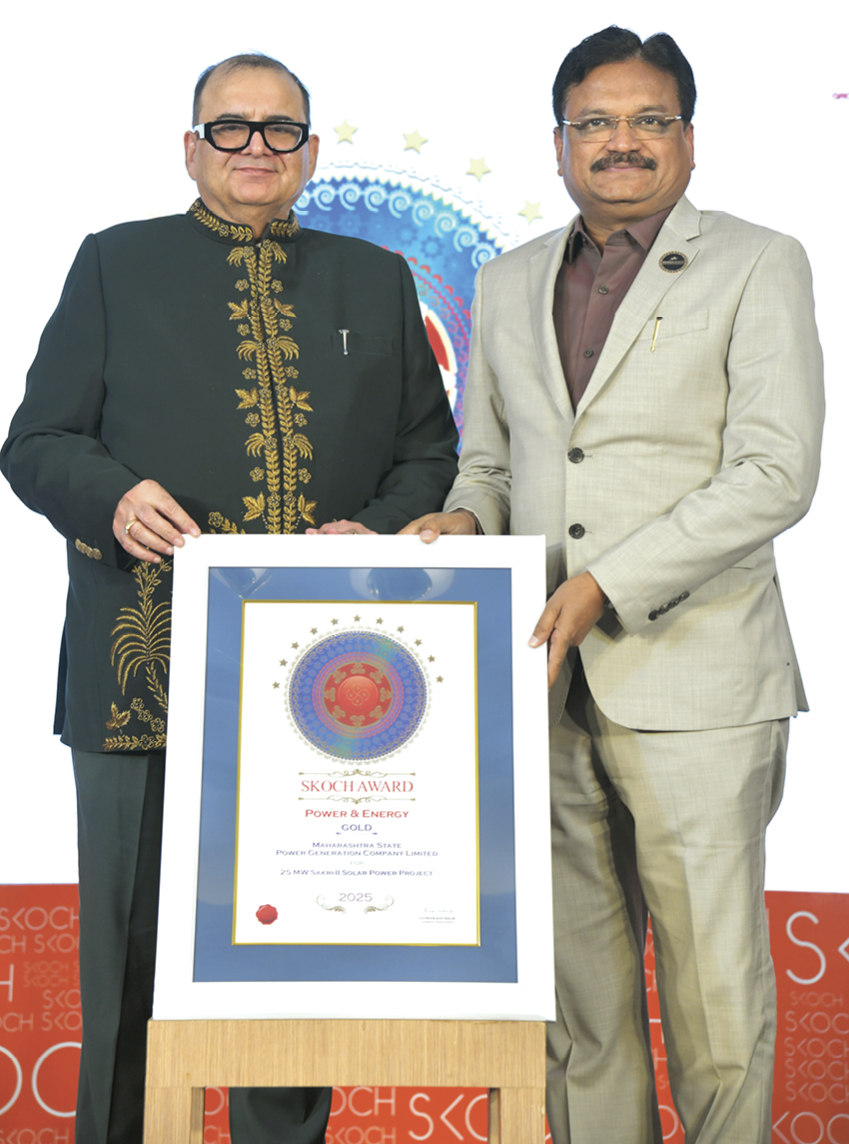
Building on the commissioning of over 2,014 MW under MSKVY-1.0, the state introduced MSKVY-2.0 on 8 May 2023 under the PM KUSUM-C framework.
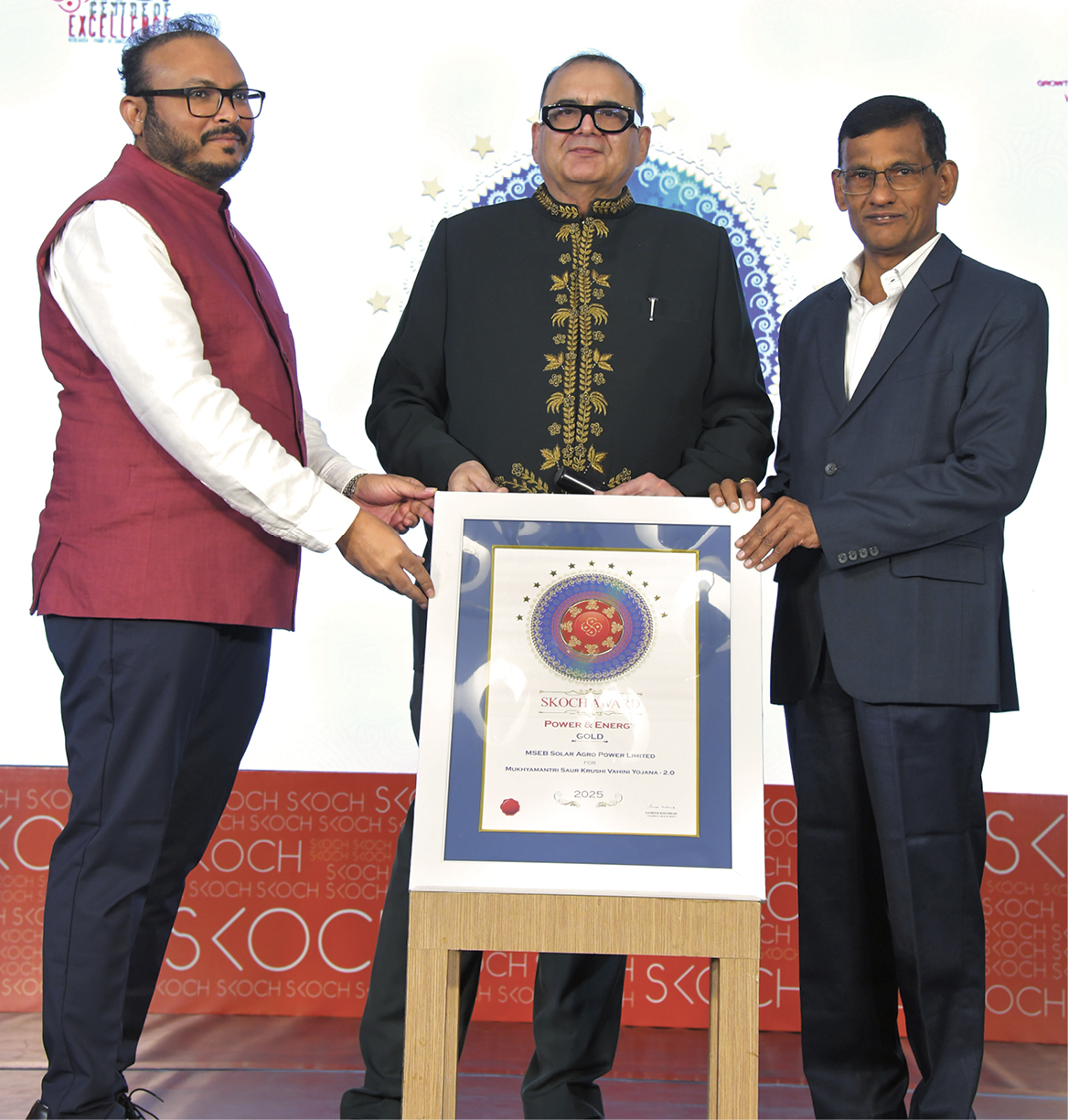
Maharashtra sits at the heart of India’s agricultural economy, home to more than ten million farmers and nearly 4.5 million agricultural electricity connections. The sector alone accounts for close to 30 percent of the state’s electricity consumption and represents the highest agricultural power demand in the country, at around 10,000 MW. Despite its importance, nearly half of this load has traditionally been served during night hours, disrupting farm operations and increasing safety risks, while placing a growing subsidy
burden on the state’s finances.
It is against this backdrop that the Government of Maharashtra launched the Mukhyamantri Saur Krushi Vahini Yojana (MSKVY), first in 2017 and now in its redesigned second phase. Building on the commissioning of over 2,014 MW under MSKVY-1.0, the state introduced MSKVY-2.0 on 8 May 2023 under the PM KUSUM-C framework.
The programme is widely recognised as the largest distributed solar deployment initiative for agricultural feeders in India.
MSKVY-2.0 aims to solarise agricultural feeders at the substation level to ensure reliable daytime electricity for farmers while lowering the average power purchase cost of the distribution utility. Under the scheme, more than 15,404 MW of decentralised solar capacity has already been awarded across 2,659 substations, involving participation from 231 solar project developers spread across Maharashtra. As of the latest update, over 2,014 MW has been commissioned and is supplying power to agricultural
consumers during the day.
Land availability remains one of the most complex challenges in distributed solar development, given the requirement of roughly four acres per megawatt. MSKVY-2.0 addressed this constraint through a bottom up, consumption-based project sizing approach and the creation of a comprehensive digital land bank. GIS-layered land data, substation geo coordinates and feeder-level agricultural load information were made available upfront to developers, typically within a 5-10 km radius of substations, reducing both transmission losses and infrastructure costs.
One of the defining features of MSKVY-2.0 is its emphasis on procedural transparency and risk mitigation. The scheme introduced both cluster based and open tender routes, enabling wider participation by developers of different scales. Transparent e-auction processes were conducted through the Bharat Portal, with tariff s discovered in the range of ₹2.69 to ₹3.10 per unit, all of which received regulatory approval from the Maharashtra Electricity Regulatory Commission.
Standardised documentation, including power purchase agreements, land lease terms and implementation agreements, was shared upfront. Multiple rounds of pre-bid consultations ensured alignment with MNRE guidelines, enabling developers to access central financial assistance under PM KUSUM-C.
MSKVY-2.0 is managed through a dedicated IT portal developed by MSEB Solar Agro Power Limited, which digitises the entire project lifecycle for 25 years. From tender award and land allocation to statutory clearances, substation strengthening and performance monitoring, all processes are routed through a single digital platform. The portal integrates coordination among MSEDCL, MNRE and other state agencies, with built in maker-checker-approver mechanisms and a grievance redressal system.
This digital governance framework has been critical in enabling the scheme’s unprecedented scale and speed of execution.
The Government of Maharashtra estimates investments of nearly ₹68,000 crore for 16 GW under Phase-1 and Phase-2 of MSKVY-2.0. Beyond capacity addition, the scheme delivers multiple co-benefits, including reduction in subsidy burden, improved financial health of MSEDCL through lower power procurement costs, decongestion of transmission infrastructure, rural employment generation and measurable reductions in carbon emissions.
Solid waste management was among the most pressing issues. Years of unsegregated garbage posed health and environmental risks.
Affordable Housing by Private Developers on Private Land Uttarakhand Awas Evam Vikas Parishady
eASE App: Transforming Urban Governance Uttarakhand Housing and Urban Development Authority
"American roads are good not because America..
State Rankings Highlights -: Odisha scaled to number..
In the run-up to the elections, the most..
Step 1: Call for Project Submission Call for..

Inclusion is the first magazine dedicated to exploring issues at the intersection of development agendas and digital, financial and social inclusion. The magazine makes complex policy analyses accessible for a diverse audience of policymakers, administrators, civil society and academicians. Grassroots-focused, outcome-oriented analysis is the cornerstone of the work done at Inclusion.