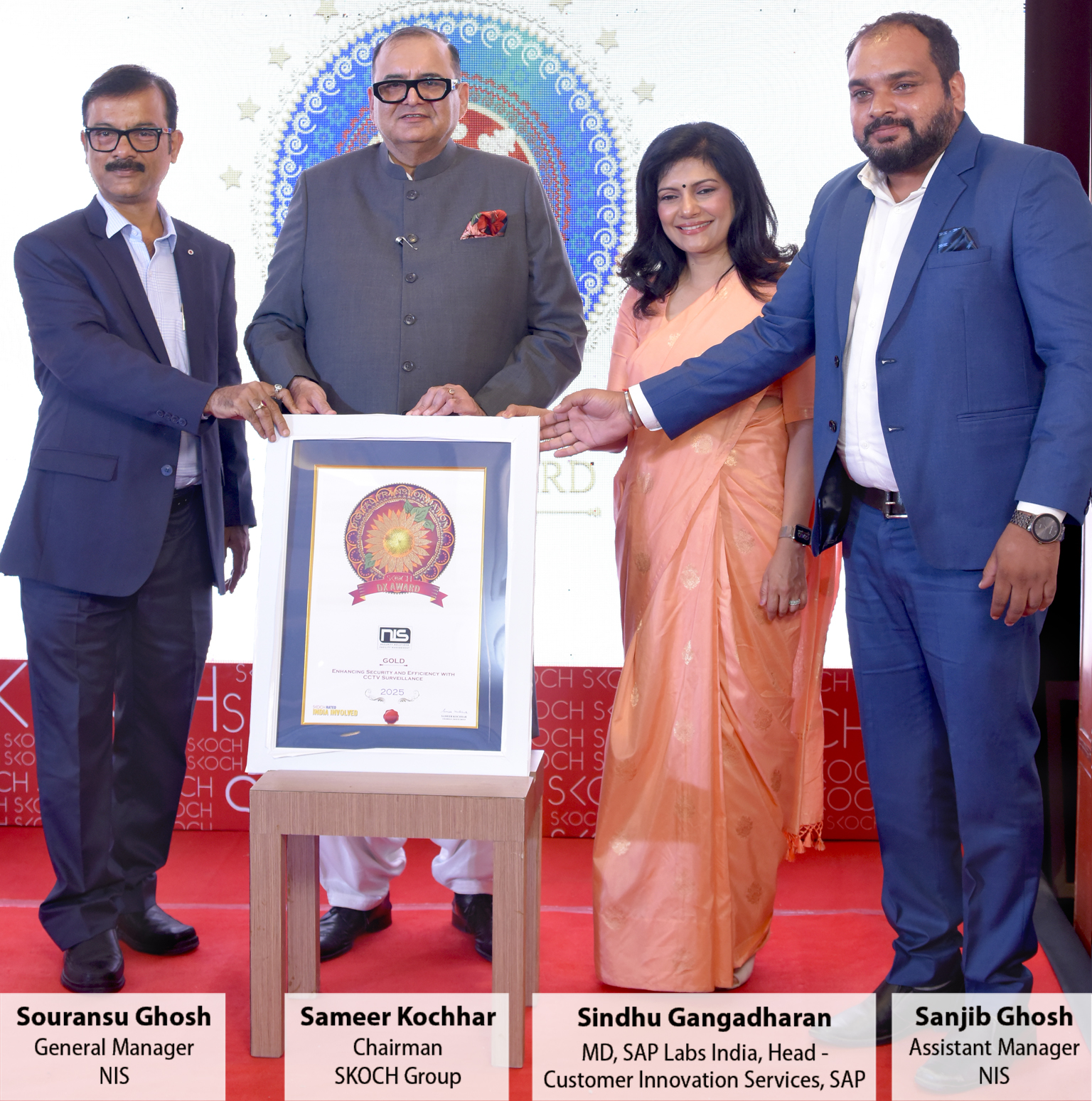
NIS Facility Management Services Pvt Ltd, in partnership with the Food and Supplies Department of West Bengal, has undertaken a landmark digital transformation initiative to strengthen the agricultural procurement system. By deploying CCTV surveillance across more than 500 Crop Procurement Centres (CPCs) with over 2,500 high-resolution cameras, the state has redefined how transparency, efficiency and accountability can be embedded in public service delivery.
The project was conceived to address persistent challenges in the paddy procurement process, including under weighing, favouritism and a lack of real-time oversight. Procurement centres, often located in remote areas with limited infrastructure, faced connectivity issues, irregular power supply and operational inefficiencies. These hurdles not only compromised fair practices but also eroded farmer confidence in government systems.
To overcome these barriers, each CPC was equipped with five strategically placed cameras covering procurement counters, weighing scales, storage areas and entry and exit points. All feeds are connected to a centralised monitoring hub, enabling authorities at both the district and state levels to supervise activities in real-time. Recorded footage is stored for up to 120 days, providing reliable evidence for dispute resolution and audit requirements. This integrated monitoring framework ensures timely interventions, reduces malpractices and instils discipline among the procurement staff.
The results have been transformative. Transparency and accountability have significantly improved, with a sharp decline in farmer complaints regarding procurement irregularities. Real-time oversight has enhanced efficiency, streamlined workflows and improved crowd management at procurement centres. Most importantly, farmers now report greater confidence in the fairness and integrity of the process, strengthening trust in government operations.

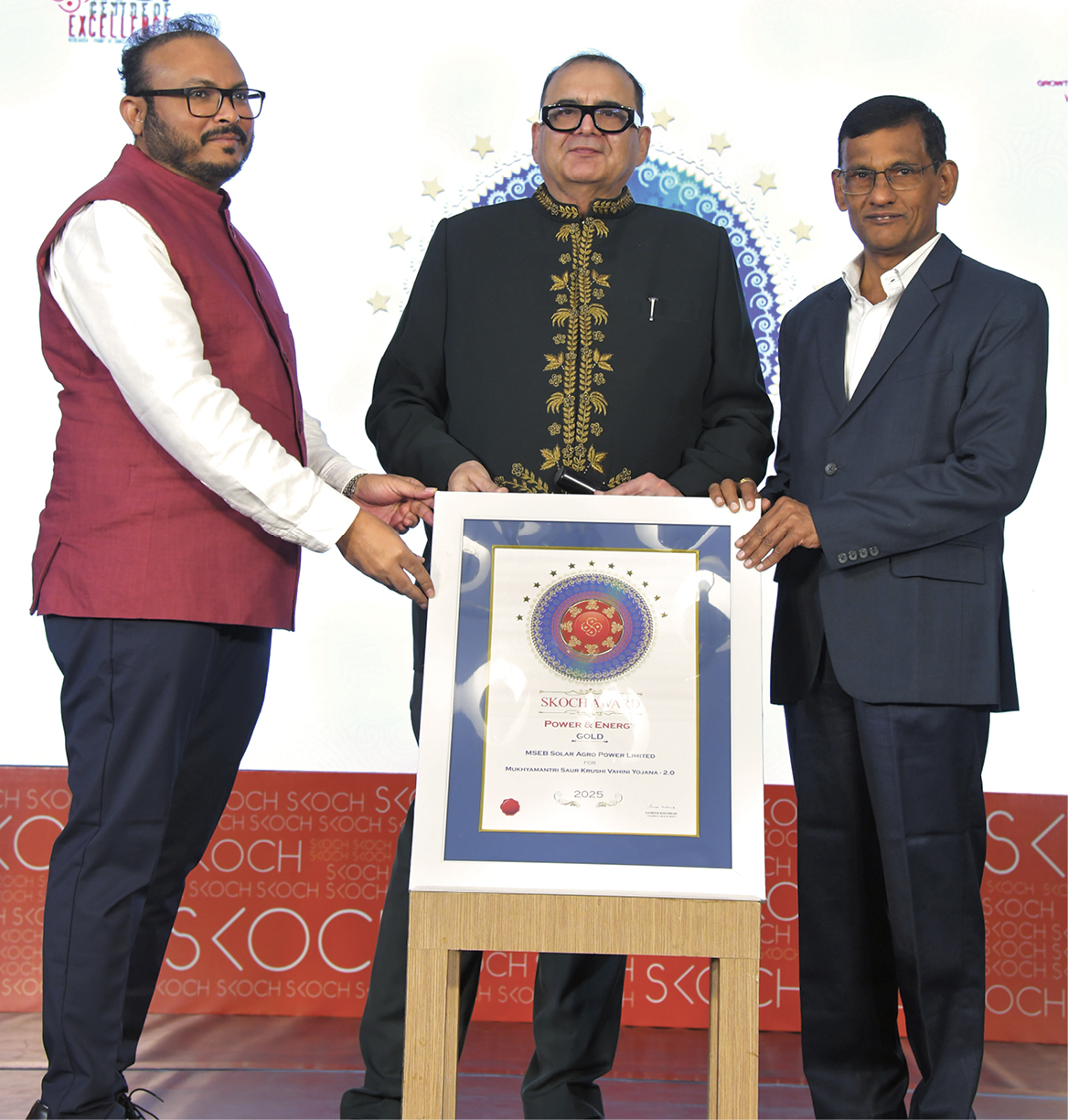
Commissioned on 30 April 2024, the project has an annual generation potential of 58.1 million units with a capacity utilisation factor of 26.53 percent.
Solid waste management was among the most pressing issues. Years of unsegregated garbage posed health and environmental risks.
Affordable Housing by Private Developers on Private Land Uttarakhand Awas Evam Vikas Parishady
eASE App: Transforming Urban Governance Uttarakhand Housing and Urban Development Authority
"American roads are good not because America..
State Rankings Highlights -: Odisha scaled to number..
In the run-up to the elections, the most..
Step 1: Call for Project Submission Call for..

Inclusion is the first magazine dedicated to exploring issues at the intersection of development agendas and digital, financial and social inclusion. The magazine makes complex policy analyses accessible for a diverse audience of policymakers, administrators, civil society and academicians. Grassroots-focused, outcome-oriented analysis is the cornerstone of the work done at Inclusion.