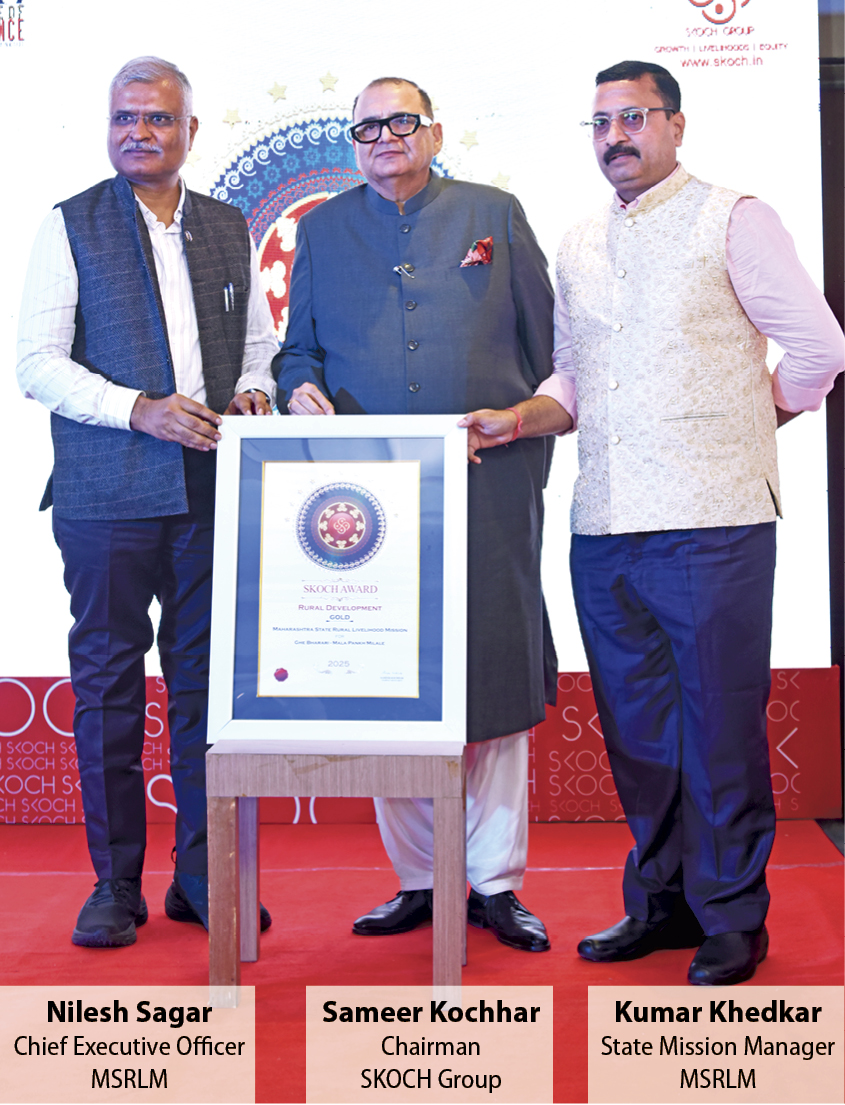
Maharashtra State Rural Livelihoods Mission (MSRLM–Umed) tested a simple hypothesis: if rural women entrepreneurs are given public platforms, structured training, and transparent access to capital, enterprise outcomes improve—and so do outcomes for children in their households.
The show starts in a village kitchen where a ledger is kept beside the spice box. A mother explains profit to her daughter using tamarind and turmeric, then writes a pitch on the back of a school notebook. By winter, she is one of 330 women who travel from 34 districts to a two-day training—how to price, how to speak to strangers with clipboards, how to ask for money without apologising.
The vehicle was a television reality series, “Ghe Bharari – Mala Pankh Milale,” designed as a pipeline from training to investment to market visibility. Each of 13 episodes featured three entrepreneurs presenting to a panel that evaluated viability and immediate fundability. The structure had one purpose: convert informal hustle into investable businesses.
Outcomes were concrete. Thirty-nine entrepreneurs received funding through SBI Foundation, with the rest leaving with refined business plans, exposure to buyers and connections for follow-up credit. The televised format created a secondary effect: market discovery for products that rarely reach urban or institutional buyers. Visibility, not only money, changed the trajectory— orders, inquiries and mentoring offers followed airings.
The intervention sits on the MSRLM base of 65+ lakh rural households. It does not replace the SHG system; it accelerates it by compressing three steps— capacity building, investment and marketing—into one public process. For children, the effects are practical: steadier cashflows for school fees, better household budgeting from mothers trained in cost and margin and a visible example of formal enterprise as a pathway.
Measured plainly, the project delivered: targeted skill building; verifiable funding decisions; expanded markets through broadcast attention; and, a replicable format that can be rerun with new cohorts. The core result is a more investable woman-led enterprise, which correlates with more stable child development conditions at home.
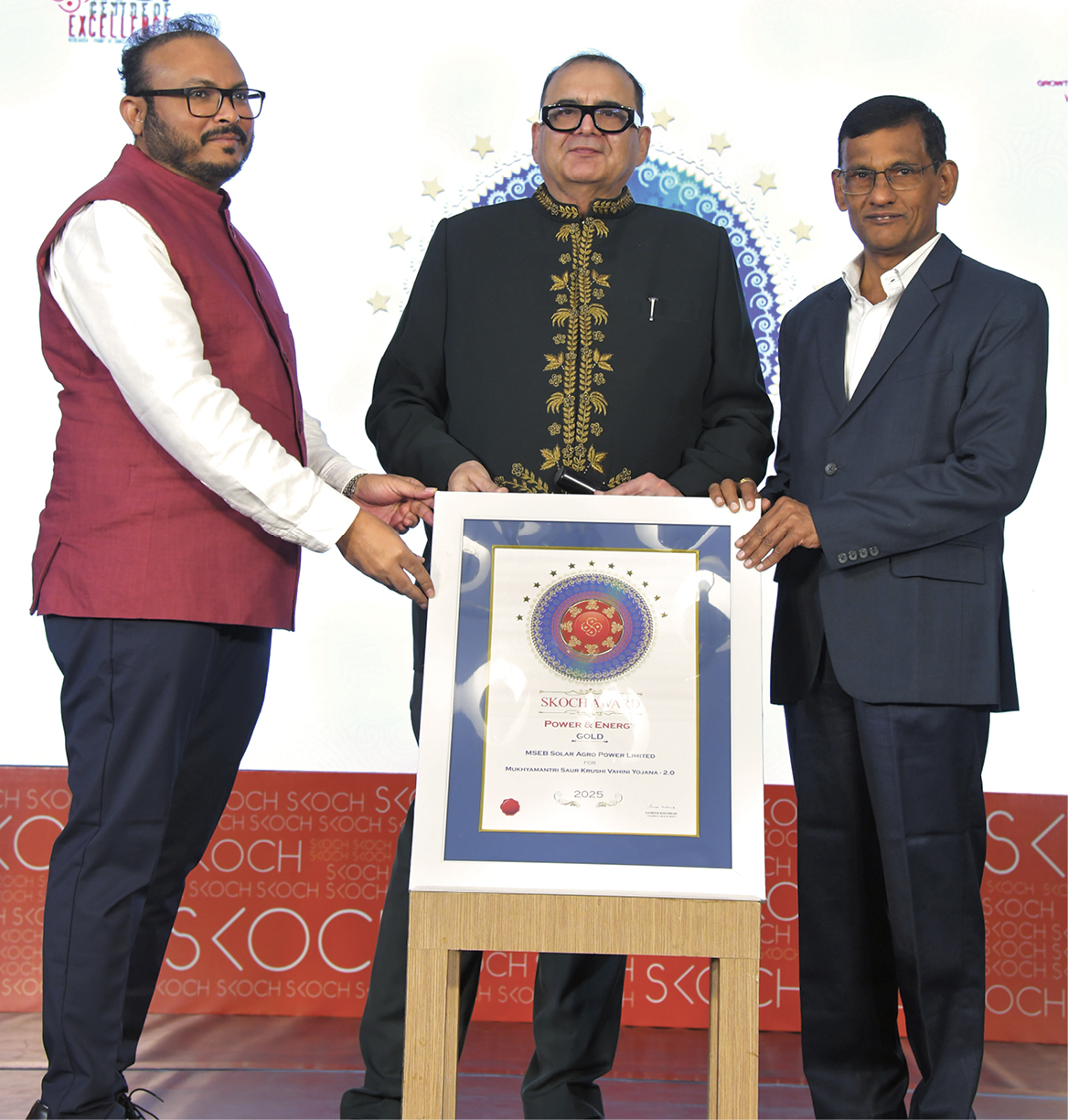
Commissioned on 30 April 2024, the project has an annual generation potential of 58.1 million units with a capacity utilisation factor of 26.53 percent.
Solid waste management was among the most pressing issues. Years of unsegregated garbage posed health and environmental risks.
Affordable Housing by Private Developers on Private Land Uttarakhand Awas Evam Vikas Parishady
eASE App: Transforming Urban Governance Uttarakhand Housing and Urban Development Authority
"American roads are good not because America..
State Rankings Highlights -: Odisha scaled to number..
In the run-up to the elections, the most..
Step 1: Call for Project Submission Call for..

Inclusion is the first magazine dedicated to exploring issues at the intersection of development agendas and digital, financial and social inclusion. The magazine makes complex policy analyses accessible for a diverse audience of policymakers, administrators, civil society and academicians. Grassroots-focused, outcome-oriented analysis is the cornerstone of the work done at Inclusion.