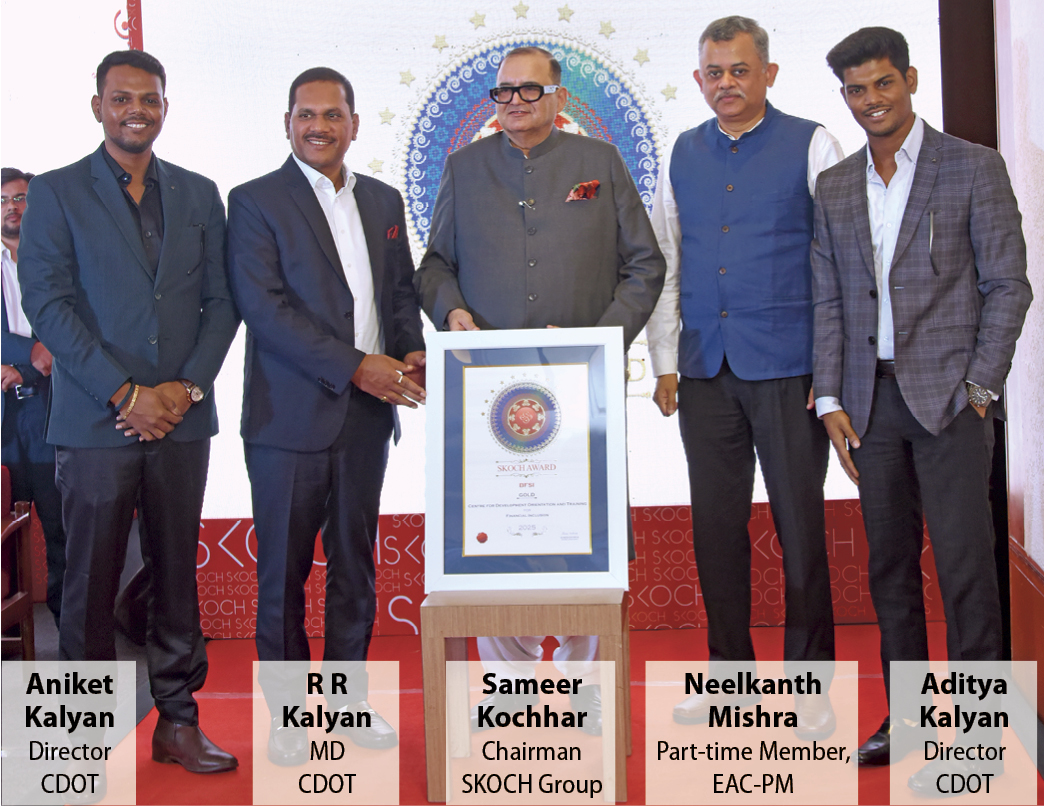
What began as a response to exclusion from formal banking systems has grown into a movement of empowerment, resilience and transformation. At the heart of this effort lies the Business Correspondent Agent (BCA) model—a bridge between banks and people who had, for too long, remained invisible to the financial system. Local shopkeepers, self-help group members and community leaders were trained to become trusted financial agents. Armed with micro-ATMs and mobile devices, they brought banking to doorsteps in the remotest corners. No longer did villagers need to travel long distances to open an account, withdraw money, or access credit.
The impact has been profound. Over 40 lakh internal and 40 lakh external beneficiaries now have access to banking services through this initiative. Government benefits—from pensions to subsidies—flow directly into accounts via Direct Benefit Transfers, reducing leakages and delays. Women, especially those in self-help groups, have become financially active, saving regularly and investing in small enterprises.
The programme has nurtured a cadre of local BCAs, creating new livelihood opportunities while building trust within communities. Financial literacy programmes have changed behaviour—families now save, insure and plan for the future. For the government, it has created an efficient and transparent platform to deliver welfare schemes.
The journey, however, was not without challenges. Poor Internet connectivity, low digital literacy and initial mistrust often threatened progress. BCAs themselves faced difficulties with irregular incomes and cash management. Yet, Centre for Development Orientation and Training (CDOT) adapted—strengthening training, building grievance redressal mechanisms and emphasising that “technology is an enabler, not a solution alone.”
By leveraging local resources, aligning with national priorities like Jan Dhan Yojana and integrating with platforms such as Aadhaar Enabled Payment Systems and UPI, the model has become cost-effective.


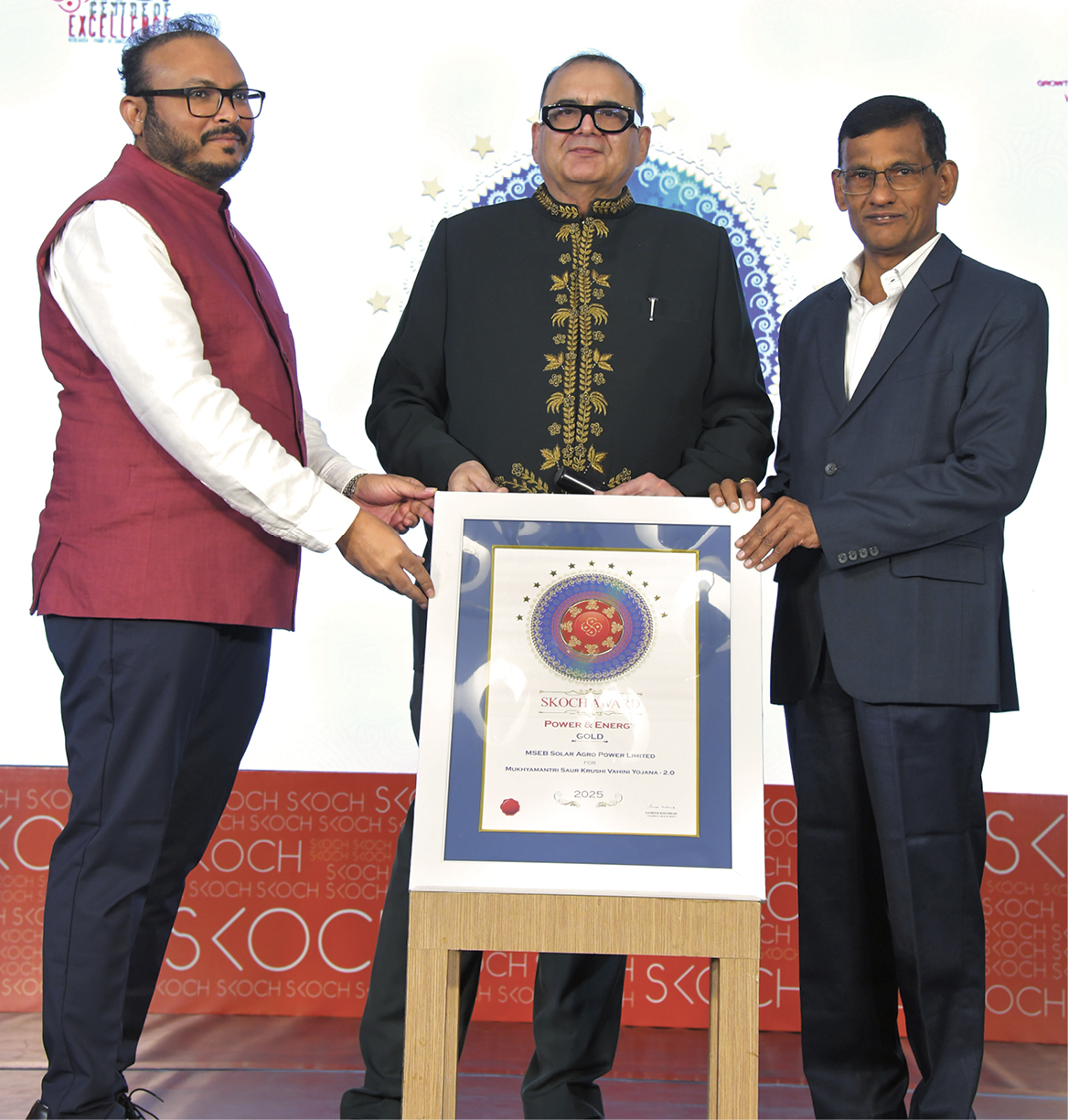
Building on the commissioning of over 2,014 MW under MSKVY-1.0, the state introduced MSKVY-2.0 on 8 May 2023 under the PM KUSUM-C framework.
Commissioned on 30 April 2024, the project has an annual generation potential of 58.1 million units with a capacity utilisation factor of 26.53 percent.
Solid waste management was among the most pressing issues. Years of unsegregated garbage posed health and environmental risks.
"American roads are good not because America..
State Rankings Highlights -: Odisha scaled to number..
Step 1: Call for Project Submission Call for..
In the run-up to the elections, the most..

Inclusion is the first magazine dedicated to exploring issues at the intersection of development agendas and digital, financial and social inclusion. The magazine makes complex policy analyses accessible for a diverse audience of policymakers, administrators, civil society and academicians. Grassroots-focused, outcome-oriented analysis is the cornerstone of the work done at Inclusion.