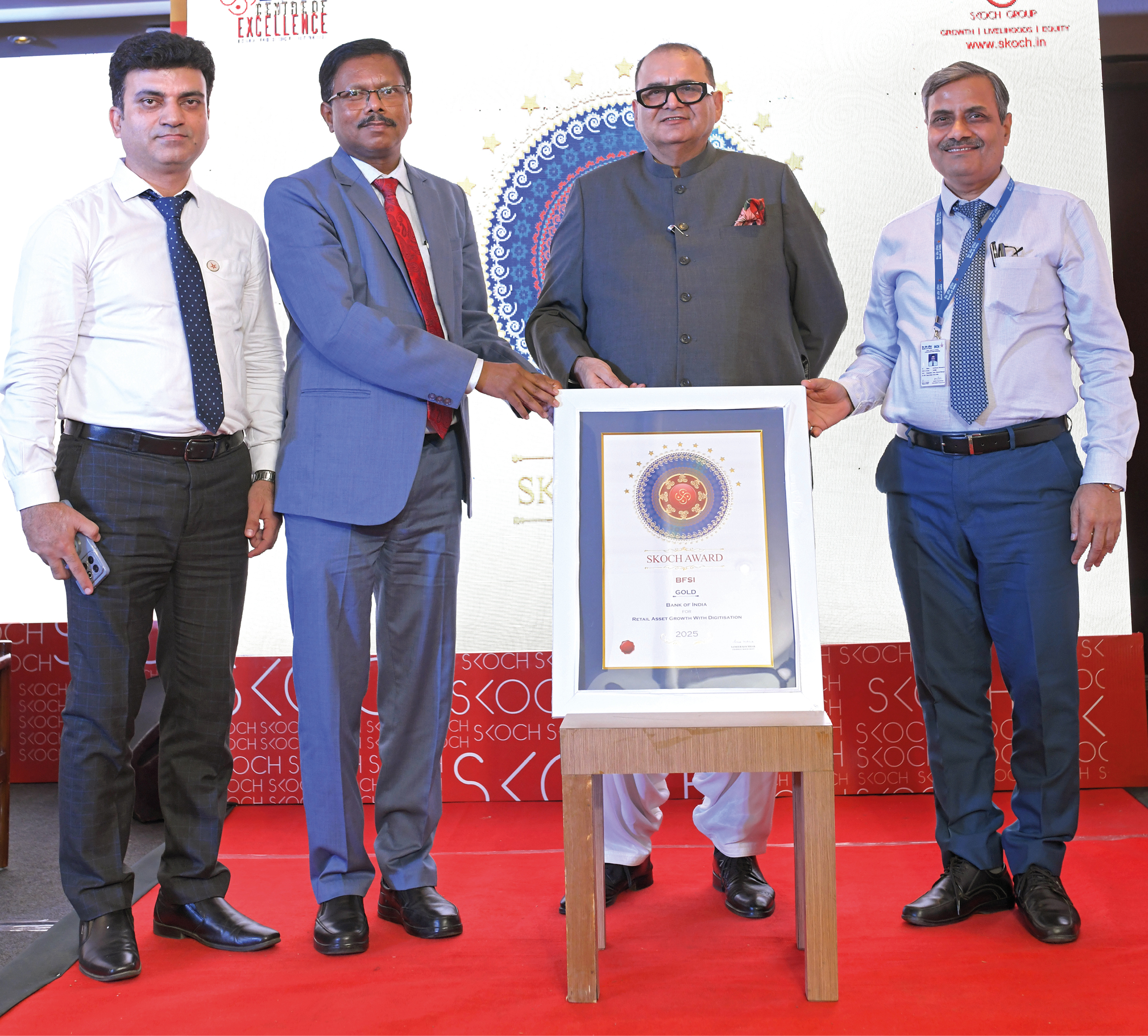
In a rapidly evolving banking landscape, Bank of India embarked on a transformative journey to strengthen it’s retail asset portfolio through digitisation. With a strong presence across rural, semi-urban and urban India, the Bank recognised that while its reach was vast, staying competitive required more than just a wide network. The challenge lay in delivering speed, convenience and innovation while safeguarding asset quality and ensuring customer retention.
The project, launched in April 2024, set out with a clear purpose: to grow retail assets by leveraging technology, diversifying product offerings and adopting customer-centric strategies. At its core was the realisation that traditional methods alone could no longer sustain growth in an environment where digital-first competitors were making inroads.
Several pressing challenges shaped the project’s direction. Customer churn was a growing concern, often linked to inadequate personalisation and better offers from competitors. Asset quality was another focus area, as rising non-performing assets could weaken financial health. Outdated product offerings and manual processes further hampered competitiveness and service delivery. These realities underscored the need for digitisation, product innovation and enhanced risk management.
The Bank’s leadership responded with a strategy rooted in people, processes and products. The aim was not only to grow retail assets but also to redefine how customers experienced banking.
A product development team was set up to study market needs and customer preferences. Insights from surveys and analysis shaped the conceptualisation of new products, while digital marketing agencies were roped in to amplify outreach. Multiple campaigns—from monthly retail disbursement drives to targeted education loan promotions during admission seasons—ensured visibility and traction.
The implementation followed a phased timeline:
Retail loans, including personal, vehicle and housing, were integrated into digital lending journeys, making them easier and faster to access. Omnichannel marketing and automation ensured consistent engagement, while credit risk models were refined to safeguard asset quality. The path was not without hurdles. Collecting accurate primary data on competitors and customer behaviour demanded significant effort. Coordinating across departments required a steering committee and robust project management tools. Competition from peers pushed the team to sharpen differentiation, while internal change management necessitated extensive training and support.
Despite these obstacles, the project gained momentum thanks to robust data management, cross- functional collaboration and a focus on competitive differentiation. Change management ensured that employees adapted confidently to new systems.
The impact was signifi cant. Retail advances touched ₹134,533 crore, reflecting a year-on-year growth of 20.32%, surpassing the industry average of 14.05%. Specific segments flourished: home loans grew by over 15%, vehicle loans by 25% and personal loans by 30%. Tie-ups with major industry players expanded reach, while digital journeys improved customer experience.
The initiative also boosted employee morale, equipping them with new skills and confidence. The Bank’s digital footprint expanded through multi-channel campaigns, strengthening engagement. In many ways, the Bank emerged as a flag bearer for scheme innovation in the sector.
Future plans revolve around scaling digital lending across all retail products and continuously revising schemes to meet dynamic market demands. Lessons learned include the importance of thorough market analysis, clearly defined roles, budgetary discipline and the transformative power of process automation.


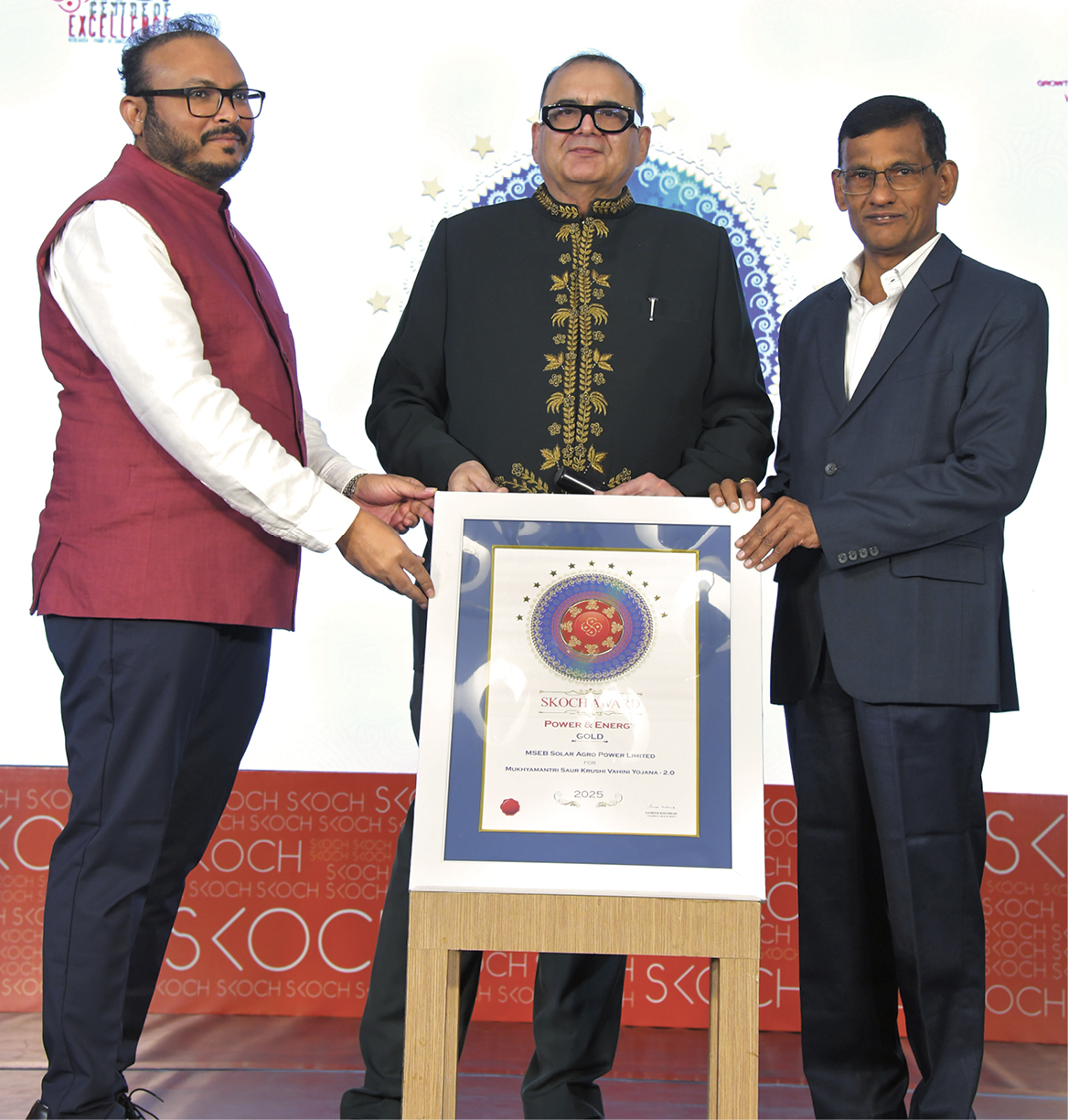
Building on the commissioning of over 2,014 MW under MSKVY-1.0, the state introduced MSKVY-2.0 on 8 May 2023 under the PM KUSUM-C framework.
Commissioned on 30 April 2024, the project has an annual generation potential of 58.1 million units with a capacity utilisation factor of 26.53 percent.
Solid waste management was among the most pressing issues. Years of unsegregated garbage posed health and environmental risks.
"American roads are good not because America..
State Rankings Highlights -: Odisha scaled to number..
Step 1: Call for Project Submission Call for..
In the run-up to the elections, the most..

Inclusion is the first magazine dedicated to exploring issues at the intersection of development agendas and digital, financial and social inclusion. The magazine makes complex policy analyses accessible for a diverse audience of policymakers, administrators, civil society and academicians. Grassroots-focused, outcome-oriented analysis is the cornerstone of the work done at Inclusion.