

Over 11 years, India has witnessed transformative shifts—from fiscal inclusion and infrastructure to education, healthcare and digital innovation. Governance is no longer a transaction but a deliverable. New India’s fingerprints are visible in rural homes with LPG, tap water, toilets, Internet access and farm collectives; cities with improved urban services; and a global standing marked by space missions and defense exports.
Prime Minister Narendra Modi’s tenure has been marked by a strong emphasis on “Minimum Government, Maximum Governance.” His administration has implemented transformative reforms to make governance more transparent, efficient and citizen-centric.
Digital empowerment has been a cornerstone, with initiatives like Digital India, with more than 10 billion e-transactions per month as of May 2024, bridges the digital divide and delivers services electronically.
Platforms such as eMARG, used in over 20 states, has revolutionised rural road maintenance through real-time inspections and geo-tagged evidence, saving public funds and improving accountability. Similarly, Bhashini, the National Language Translation Mission, is expanding access to digital services in 22 scheduled Indian languages, breaking linguistic barriers through AI, across sectors like agriculture, law and public service.
Agricultural reforms include forming over 10,000 Farmer Producer Organisations (FPOs), benefiting nearly 8 million farmers. The PM-KISAN scheme has transferred over ₹2.81 lakh crore directly into the bank accounts of 11 crore+ farmers, reducing middlemen and boosting rural income. The PM-Kisan Scheme and its integration with chatbots using Bhashini technology have further enhanced the ease of accessing government benefits.
Governance transparency has improved via Jan Dhan Yojana, with 520 million bank accounts opened, over 55% of which belong to women. Combined with Aadhaar and Direct Benefit Transfer (DBT), this system has saved ₹2.73 lakh crore by eliminating bogus beneficiaries.
Citizens are now more involved through platforms like MyGov, which has over 2.5 crore users contributing ideas and feedback. Initiatives like Nyaya Setu and RailMadad further streamline justice and public grievance redressal.
These initiatives reflect a deep commitment to reform, perform and transform India. Modi’s model interweaves digital tools, welfare delivery, infrastructure expansion and systemic accountability—reshaping the relationship between the state and its people.
The SKOCH State of Governance Report 2024 highlights citizen-centric innovations that have redefined governance delivery in India. In a landscape where outcomes matter more than budgetary outlays or implementation checklists, the projects featured in this edition stand out for the tangible, measurable impact they have had on everyday lives. Whether it’s bridging linguistic barriers, revitalising rural economies, or enforcing accountability through technology, these initiatives represent a shift toward governance that is participatory, inclusive and performance-driven.
Yet future challenges remain: ensuring equitable growth, employment generation, sustaining social inclusion, managing environmental stress, reinforcing federalism and democratic institutions.
Unveiled during Digital India Week in July 2022 by Prime Minister Narendra Modi, Bhashini (Ministry of Electronics & Information Technologies) embodies the government’s vision of an inclusive digital ecosystem. Its mission is to empower citizens by providing access to digital services in their native languages. The initiative focuses on harnessing the power of artificial intelligence (AI) to create language models and technologies that facilitate translation, speech recognition and other language-based services across 22 scheduled Indian languages.
Bhashini operates under the mantra of fostering collaboration. By partnering with over 70 research institutions across the country, it has successfully brought cutting-edge AI-driven language solutions to the forefront. This collaboration exemplifies how academia, government and industry can work together to address societal challenges. The National Hub of Language Technology (NHLT), the backbone of Bhashini, hosts a plethora of AI models that are available as open APIs to developers and innovators.
One of Bhashini’s implementations is in agriculture through its integration with the PM Kisan Chatbot. Farmers, often hindered by language barriers, can now access critical scheme-related information in their mother tongues. This has helped over 11 crore farmers navigate the complexities of government schemes, ensuring timely access to benefits.
In rural governance, the e-Gram Swaraj platform has been enhanced with Bhashini’s multilingual capabilities. Local governance processes, often inaccessible due to language hurdles, are now available in 22 Indian languages, benefiting 2.7 lakh village Panchayats. This has fostered transparency, improved citizen engagement and empowered local communities.
The judicial system, known for its reliance on English, has long posed challenges for non-English-speaking litigants. Bhashini’s solutions, such as translating case documents and FIRs from vernacular languages to English and vice versa, have significantly reduced delays in court proceedings. The multilingual Nyaya Setu chatbot provides legal guidance in regional languages, ensuring that citizens can access justice without needing an intermediary. This innovation addresses one of the most critical barriers in the legal system–accessibility.
The National Train Enquiry System (NTES) and the RailMadad platform have integrated Bhashini’s technology to offer services in nine regional languages. Train schedules, station names and even grievances are now accessible to over 200 million citizens in their preferred language. This has simplified travel for millions, particularly in rural and semi-urban areas.
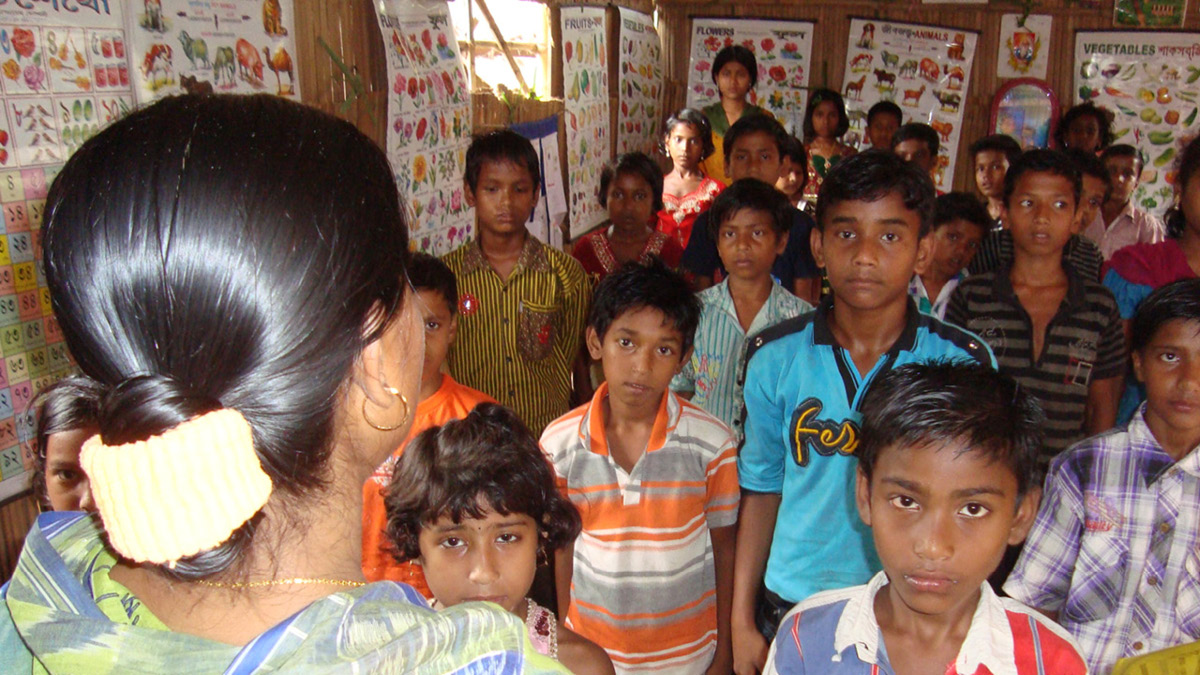
In primarily Hindi speaking states, this technology has been deployed to address pronunciation challenges amongst students, significantly enhancing their confidence and language skills. By combining offline functionality with cutting-edge AI, Bhashini ensures that learning is inclusive and accessible, regardless of connectivity issues.
Bhashini’s journey has not been without hurdles. One of the primary challenges was the lack of digital data for many Indian languages. To address this, the division employed innovative approaches, such as crowdsourcing audio samples from citizens through mobile apps. These contributions formed the foundation for creating datasets and developing AI models.
Bhashini is not just about language translation; it is about creating a comprehensive ecosystem for digital inclusion. Its speech-to-speech translation system supports 11 Indian and 14 international languages, positioning India as a pioneer in linguistic technology. By making these technologies available as open APIs, Bhashini invites startups and tech companies to innovate further.

The agriculture and horticulture (agri-horti) sector in India’s North Eastern Region (NER) has long been held back by deep-rooted structural and geographic challenges. Although the region is blessed with rich biodiversity and a variety of agro-climatic zones, its farmers have been caught in a cycle of low productivity, poor market access and weak institutional support.
These issues, compounded by poor infrastructure and the difficult terrain of the NER, have made post-harvest management both logistically difficult and economically inefficient. In response to these challenges, a Government of India-backed initiative focusing on Farmer Producer Organisations (FPOs) was launched to revitalise the sector and offer farmers a viable, sustainable path forward.
Over time, as land was divided among family members, the average holding size diminished, making it economically unviable for individual farmers to scale operations or invest in technology. The use of poor-quality seeds, bio-fertilisers and other inputs further worsened the yield per acre, keeping farmers locked into subsistence-level production.
Another major challenge was the lack of working capital. Farmers often had no access to formal credit or investment, preventing them from developing their operations into full-fledged enterprises. In the absence of an effective and holistic market linkage system, they were forced to sell through middlemen, who captured a disproportionate share of the final price, leaving producers with minimal profits. Over time, these issues disillusioned the younger generation, discouraging them from continuing in agriculture and pushing them to seek work elsewhere. Agriculture, once seen as a way of life, began to appear as an unviable profession.
To address these issues, a government-supported programme aimed at forming and strengthening FPOs was introduced across all eight states of the NER. The formation process began with engagement at the district level, where local administrations were brought on board within two months of the issuance of the order by the Ministry for the Development of North Eastern Region (DoNER). Simultaneously, a Cluster-Based Business Organisation (CBBO) was appointed to facilitate the formation, registration and governance of each FPO under the Companies Act.
Mobilisation of at least 100 farmers per FPO was undertaken, a process that typically took 8 to 10 months. Once mobilised, these FPOs became eligible for an equity grant of ₹1 lakh, which was matched by the DoNER through North Eastern Regional Agricultural Marketing Corporation Ltd (NERAMAC), thereby creating a pool of working capital. During this phase, detailed business development plans were created in consultation with NERAMAC and efforts to build market linkages were initiated. To build trust and ensure smooth implementation, local resource persons (LRPs) were engaged within each block or district. These individuals, who were embedded with the farming communities, interacted with farmers on a near-daily basis.
As an Implementing Agency, NERAMAC is responsible for developing 220 FPCs in the NER covering over 40,000 farmers and their dependents. The task in this project, is to help farmers increase their income and make them self-sustaining by creation of a cluster.
Many FPOs began small-scale processing such as sorting, grading, making juices, pickles, jams and jellies. Village-level retail shops or “gram dukans” were also established to enable local sales. Secondary income-generating activities like mushroom cultivation and vermicomposting were introduced and encouraged, providing farmers with additional financial security. Most FPOs were successfully onboarded onto e-commerce platforms.

In the sweltering heat of a June morning in 2019, something quietly revolutionary began under the banner of India’s National Rural Infrastructure Development Agency (NRIDA). While villagers went about their daily chores and road crews rolled out their gravel and tar, the future of rural infrastructure maintenance was being written—bit by digital bit.
It was called eMARG—short for electronic Maintenance of Rural Roads system. At first glance, it looked like just another software rollout under the Pradhan Mantri Gram Sadak Yojana (PMGSY). But in truth, it marked a fundamental shift in how India would monitor and maintain the lifelines of its villages—its roads.
By design, eMARG digitised the entire maintenance lifecycle, from inspection to payment. Field engineers, armed with smartphones and the eMARG app, began bi-monthly inspections of rural roads—taking geo-tagged, timestamped photographs at randomly generated locations. These weren’t just photos—they were proof. Each image told a story of wear, upkeep and compliance. Roads were graded as Satisfactory (S), Satisfactory but Requires Improvement (SRI) or Unsatisfactory (U). And based on these grades, payments were calculated automatically—directly linked to performance.
The numbers soon spoke for themselves. By March 2024, over 19 lakh bills had been processed— ₹3,213 crore worth. But more remarkably, ₹337 crore was saved by rejecting bills that lacked maintenance evidence. That wasn’t just cost-saving—it was accountability.
Early on, engineers in remote districts struggled with patchy Internet. Contractors, long used to paper trails and handshakes, hesitated to trust the click of a button. And digital literacy varied greatly. But NRIDA was prepared. It launched user-friendly interfaces, rolled out extensive training programmes and even piloted AI-based anomaly detection to keep the system honest.
Slowly but steadily, adoption grew. By 2025, eMARG covered 3.15 lakh kilometers of rural roads—spanning over 72,000 roads. More than 12 lakh bills had been submitted via mobile apps and over 20 lakh geo-tagged photographs served as undeniable proof of work done. System-generated vouchers—1.38 lakh+ in number—automatically handled payments, including tax deductions. More than ₹1,694 crore was paid online, directly into contractors’ accounts.
One of the most transformative features? Inspection and billing processes became independent. No more waiting for paperwork or signatures. Engineers received automatic reminders every two months, carried out inspections and the system did the rest. Contractors could submit bills with just a click—verified via OTP, no fuss.
Behind the data was a bigger story: of how real-time reporting, mobile accessibility and geospatial mapping weren’t just modern tools—they were bridges to better governance. Reports—over 30 in number—offered granular insights for both state and central monitoring teams. With resource allocation and performance evaluation now data-driven, the days of guesswork and delayed accountability were over.
The ripple effects went far beyond roads. eMARG enforced discipline, fostered timely maintenance and most importantly, reconnected rural India—both digitally and physically. Farmers could transport produce more easily. Ambulances reached faster. Students got to school on time. Entire communities began to feel the power of technology-enabled governance.

In an era where sports integrity is paramount, India has made a significant leap with the introduction of the “Know Your Medicine” (KYM) application. Developed under the aegis of the National Anti-Doping Agency (NADA), Ministry of Sports, KYM represents a transformative, citizen-centric digital initiative that empowers athletes with critical drug-related information. As India nurtures ambitions to host the 2036 Olympics, KYM aligns seamlessly with the nation’s goals of enhancing sports credibility, transparency and inclusivity on the global stage.
Athletes across the world, including in India, have long faced challenges in identifying whether common medications contain banned substances. This lack of accessible and comprehensive drug information has led to inadvertent doping violations, threatening careers, reputations and the fairness of competition. The consequences are not just personal—such violations also tarnish the credibility of sporting institutions and compromise public trust in sports. Additionally, without proper guidance, athletes risk jeopardising their health and safety by unknowingly consuming prohibited substances.
Addressing these challenges head-on, NADA India spearheaded the development of the KYM application—a web and mobile platform that offers a reliable, up-to-date resource to verify if a medicine contains any World Anti-Doping Agency (WADA) prohibited substance. The application enables athletes to make informed decisions anytime and anywhere, without promoting or recommending any specific medication.
Unique features of KYM include:
• AI-driven voice and image search functionality.
• Support for both Android and web platforms.
• Availability in English and Hindi, with plans for vernacular language integration.
• A non-commercial, information-only approach with regular updates based on WADA’s Prohibited Substances List.
The application’s creation was backed by a transparent, competitive selection process through the Government e-Marketplace (GeM) portal. After evaluation by experts from the Indian Pharmacopeia Commission, Department of Pharmaceuticals and NADA India, the development contract was awarded to 108 AVP Technologies for ₹1.12 crore, covering three years of development and maintenance.
Since its launch, KYM has had a measurable impact on the Indian sporting ecosystem. It has significantly increased awareness among athletes regarding the contents of medications, thereby reducing the risk of accidental doping and promoting health and safety. By enabling access to accurate, real-time information, KYM fosters a culture of compliance and transparency within sports.
Moreover, the application has bolstered NADA India’s position as a credible and forward-looking authority in anti-doping governance. It not only addresses a critical gap in athlete support but also strengthens India’s positioning as a champion of fair play and ethical sporting practices. As India sets its sights on the 2036 Olympics, KYM symbolises a commitment to integrity, innovation and athlete empowerment on the international stage.

The Digital Infrastructure for Knowledge Sharing (DIKSHA) is a national initiative launched by Digital India Corporation, Ministry of Electronics & Information Technology (MeitY) to transform school education across India through a unified digital platform. Designed to be accessible to students, teachers, parents and administrators, DIKSHA supports 36 Indian languages and has been adopted by 35 States and Union Territories, as well as central boards including CBSE. As a flagship under the “One Nation, One Digital Platform” vision, DIKSHA aims to provide equitable, engaging and quality learning experiences across geographical and socio-economic boundaries.
India’s educational system has long struggled with challenges related to accessibility, equity, quality content distribution and teacher training. Students in remote or underserved regions often lacked access to learning materials, while those with special needs were even more marginalised. Traditional education models didn’t offer the flexibility required for modern learners, especially in a multilingual and diverse country like India. Teachers lacked access to structured, continuous professional development and a central repository to share and find teaching resources. Additionally, as digital education demand surged—especially during and after the pandemic—the need for a scalable, reliable and inclusive digital infrastructure became critical.
To address these challenges, DIKSHA implemented a comprehensive, technology-driven solution. The platform was designed to be device-agnostic and accessible anytime, anywhere. Its infrastructure supports both online and offline access, ensuring even those with limited connectivity could benefit. DIKSHA hosts over 6,500 Energised Textbooks (ETBs), which allow students and teachers to scan QR codes printed in physical textbooks to access digital content instantly, transforming conventional books into physical learning tools.
Recognising the importance of inclusivity, DIKSHA integrated Jadui Pitara, a play-based learning and teaching module tailored for children aged 3 to 8 years and ensured access for Children with Special Needs (CWSN) through compatible features. Teachers, as key stakeholders, were empowered through the NISHTHA Continuous Professional Development (CPD) programme, launched in November 2023, which allowed them to complete training, develop and upload teaching materials and assess their professional growth.
Technologically, the platform underwent a significant upgrade with a migration to Oracle Cloud in April 2023, enhancing scalability, storage and performance. With 250 virtual machines configured and auto-scaling capabilities in place, DIKSHA could handle over 2,000 concurrent users with more than 99.9% uptime. Real-time alerts were set up to monitor threshold breaches, ensuring uninterrupted access. The integration of generative AI techniques and predictive analytics allowed for just-in-time query resolution, while Oracle APEX managed services were used for intuitive data visualisation and monitoring.
DIKSHA has delivered impressive results across multiple dimensions. As of recent reports, it has facilitated over 17.16 crore course enrolments, enabled 534 crore learning sessions and awarded more than 12.04 crore certifications, with a notable surge in engagement over the past six months. The platform’s technological backbone has proven resilient and scalable, maintaining high availability and performance. Educators across the country are more empowered, with access to training, content creation tools and a national repository for professional development.
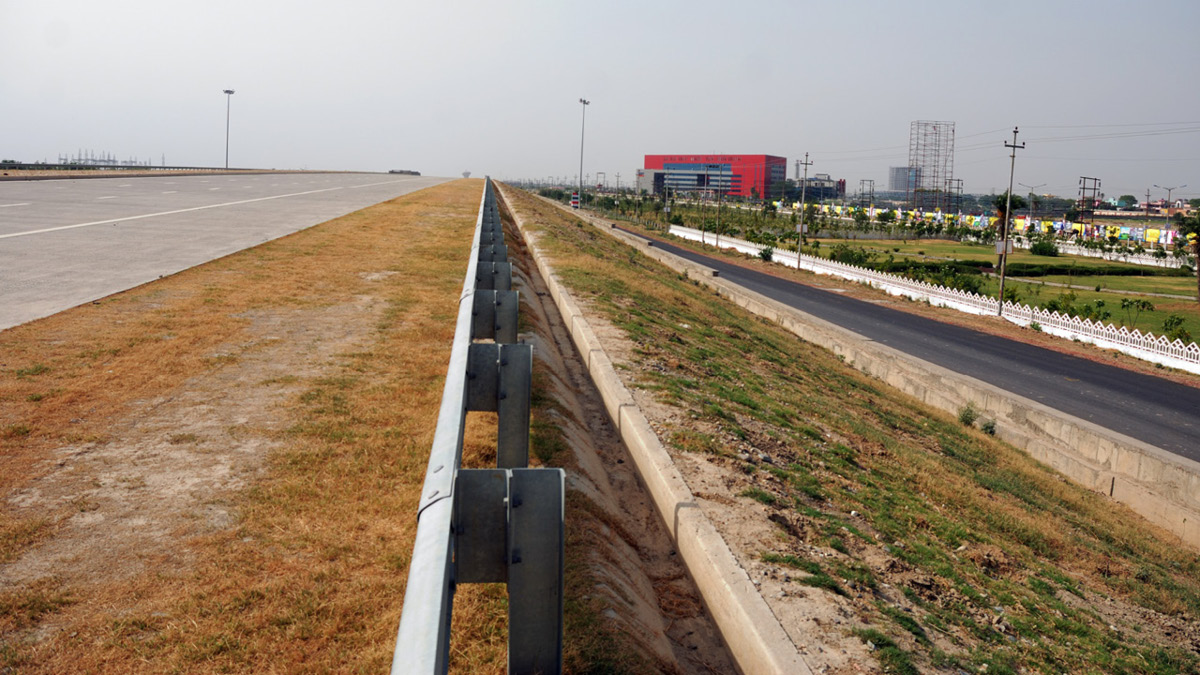
INFRACON, a web-based national portal, was launched on 16 May 2016 to streamline consultancy engagements in India’s road construction and infrastructure sector. Developed under the Ministry of Road Transport and Highways and managed by the National Highways and Infrastructure Development Corporation Limited (NHIDCL), the portal was envisioned as a centralised platform for public bodies, consultancy firms and Key Professionals (KPs). It facilitates registration, verification, technical proposal submissions and automated evaluations—all while promoting transparency, efficiency and accountability in the tendering process.
Before the implementation of INFRACON, the sector relied heavily on manual processes for tendering and technical evaluations, resulting in inefficiencies, delays and limited oversight. Key Professionals often submitted multiple profiles, leading to duplicity and confusion. Authentication of personnel and documents was inconsistent and technical bid evaluations required time-consuming manual scrutiny. Public agencies lacked access to real-time data and faced challenges in decision-making. Furthermore, the absence of an integrated payment system made it difficult to scale and sustain the platform financially.
To resolve these issues, INFRACON underwent a series of enhancements. A nationwide registration drive was conducted, enrolling consultancy firms and Key Professionals across India. The platform enabled public agencies to upload tenders directly, while a Team ID formation feature allowed consultancy firms to assemble verified teams for participation in those tenders.
A major milestone was the integration of a Technical Evaluation Module, which replaced manual evaluations with automated, standardised assessments. To ensure authenticity and eliminate duplicity, a background verification process was initiated for all stakeholders. Integration with UIDAI enabled Aadhaar-based authentication, providing instant, verified identity checks for Key Professionals and ensuring each had a unique profile on the portal.
Digital authentication was further strengthened through the implementation of DSC (Digital Signature Certificate) token integration. This feature ensured that documents—particularly tender submissions—were securely signed and legally valid. Additionally, an e-Sign API, provided by CDAC, was incorporated to enable Key Professionals to electronically sign and give consent for their inclusion in teams bidding for tenders.
Key Professional profiles were significantly enhanced to include detailed CV fields, improving the quality and transparency of data available for evaluation. Real-time email alert systems were also introduced to keep stakeholders–clients, consultancy firms and KPs–informed of updates or pending actions. To ensure long-term sustainability, a secure payment gateway was integrated, allowing for online transactions related to registrations and team formation.
The deployment of these solutions has led to marked improvements in efficiency, with automation drastically reducing time spent on verification and bid evaluation.

The state has done remarkably well across various indicators, primarily being Health, e-Governance and Municipal Governance, all on the backing of technology
Telangana has embarked on a visionary journey to establish itself as a leader in Artificial Intelligence with a promise for inclusive growth and development. The state has consistently been at...
Nagaland’s governance story is less about position and more about the possibility of acceleration
A smaller administrative canvas and continued benchmarking alignment define its state’s footprint
"American roads are good not because America..
State Rankings Highlights -: Odisha scaled to number..
Step 1: Call for Project Submission Call for..
In the run-up to the elections, the most..

Inclusion is the first magazine dedicated to exploring issues at the intersection of development agendas and digital, financial and social inclusion. The magazine makes complex policy analyses accessible for a diverse audience of policymakers, administrators, civil society and academicians. Grassroots-focused, outcome-oriented analysis is the cornerstone of the work done at Inclusion.