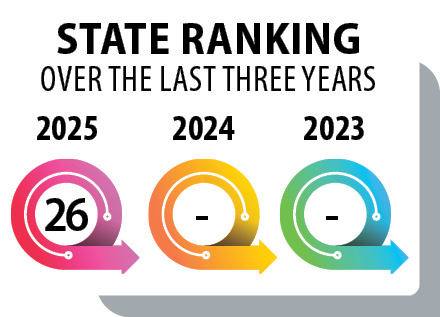
Ladakh ranks #26 nationally in the SKOCH State of Governance Report 2025. For a Union Territory still consolidating its administrative framework, the ranking reflects participation in a demanding national benchmarking process rather than sheer scale of submissions. In Ladakh’s context, governance is shaped as much by geography as by policy.
Administration in Ladakh operates across high-altitude deserts, snowbound passes and sparsely populated settlements. Connectivity is seasonal, project timelines are compressed by climate and service delivery must account for long distances between habitations.
Under such conditions, even routine initiatives demand detailed planning and coordination. Governance here is not simply about implementation, it is about endurance, adaptability and logistical precision.
The UT Administration reaffirms its commitment to inclusive growth, grassroots empowerment and improved infrastructure. New initiatives in Ladakh aim to bridge developmental gaps and deliver modern facilities to remote areas
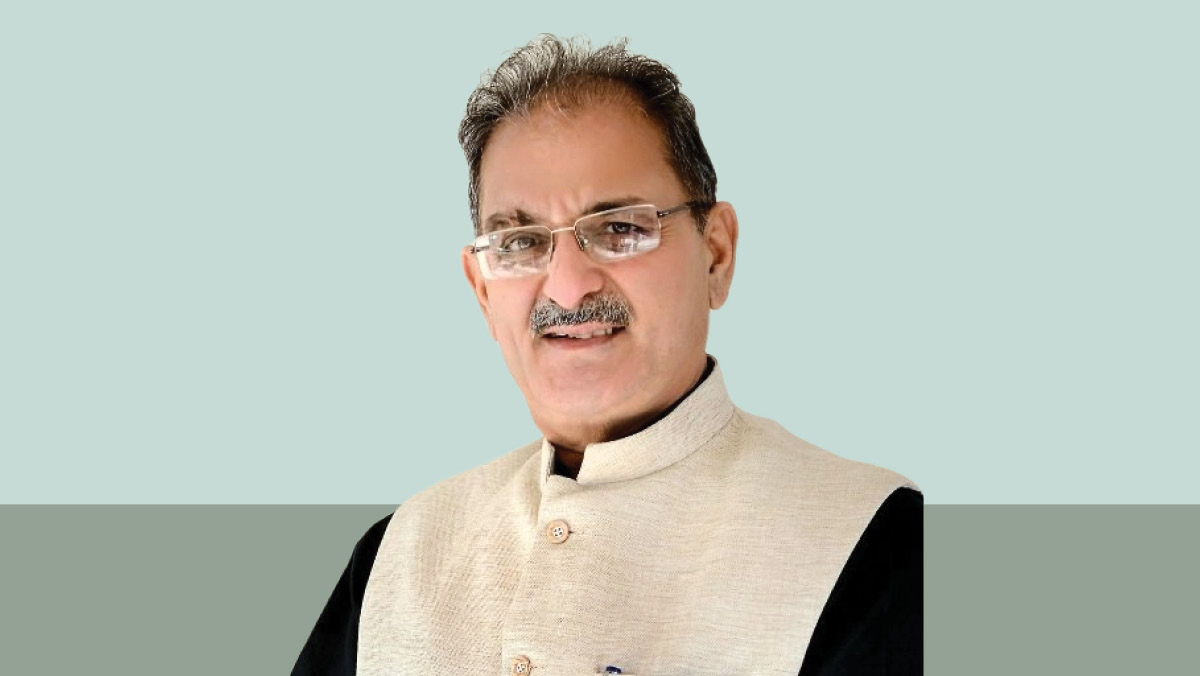
Kavinder Gupta Lieutenant Governor (LG) Administration of Union Territory of Ladakh
Institutional Foundations
As a relatively new Union Territory, Ladakh continues to shape its administrative architecture. Departments are refining monitoring frameworks, strengthening coordination channels and adapting governance models suited to mountain terrain.
In high-altitude governance, capability grows incrementally. The 2025 cycle contributes to that steady accumulation of institutional strength
National benchmarking introduces discipline. It encourages structured reporting, sharper documentation and performance-oriented oversight. Over time, such engagement strengthens administrative confidence.
Context Behind the Rank
Ranking #26 nationally places Ladakh in the lower band of the table, yet interpretation must account for context. The UT’s scale, departmental size and population differ significantly from larger states that dominate higher positions.
Drinking water Connections in -40°C
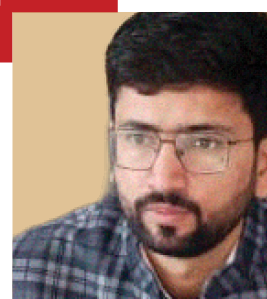
Rakesh Kumar
District Magistrate Kargil
In the sub-zero heights of Drass and Zanskar, where temperatures plummet to -40°C, the Jal Jeevan Mission (JJM) has achieved a feat of engineering resilience by providing safe drinking water. Historically, residents were forced to harvest ice or trek to frozen rivers, a task that disproportionately burdened women and children.
To counter the permafrost conditions, the District Water and Sanitation Mission implemented a strategy of laying pipelines deep below the frost line, utilising natural geothermal insulation. This was supplemented by modern insulating materials, solar-powered heating for storage tanks and a “slow-flow” protocol to prevent pipe bursts, ensuring that the “Har Ghar Jal” promise remained functional even in the world’s coldest inhabited regions.
Village Water & Sanitation Committees (VWSCs) were established and local “Jal Mitras” were trained to manage operations and maintenance. By 2025, the project impacted over 4,900 beneficiaries.
Participation under such constraints demonstrates commitment to institutional benchmarking rather than competitive volume.
Governance Built for the Landscape
In Ladakh, public administration must withstand altitude, isolation and seasonal unpredictability. Infrastructure projects contend with extreme winters. Service delivery models must anticipate geographic barriers.
In 2025, Ladakh’s governance narrative is one of foundation-building. A single recognised initiative, structured participation and continued engagement in national evaluation reflect a Union Territory strengthening its administrative base, steadily, deliberately and in alignment with its terrain.
Each evaluated initiative strengthens internal processes, from proposal drafting and inter-departmental coordination to evidence-based reporting and impact measurement.
This has encouraged the departments to think in terms of measurable outcomes rather than isolated activities. Over time, this approach can enhance planning discipline, improve resource allocation and support more cohesive execution across sectors.
The state has done remarkably well across various indicators, primarily being Health, e-Governance and Municipal Governance, all on the backing of technology
Telangana has embarked on a visionary journey to establish itself as a leader in Artificial Intelligence with a promise for inclusive growth and development. The state has consistently been at...