While the overall ranking has moved downward, the presence of strong sectoral anchors suggest that Gujarat retains foundational administrative strengths
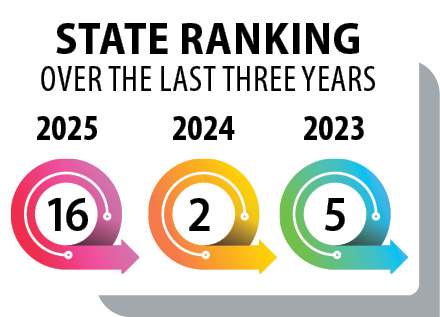
Gujarat has long been counted among India’s most administratively competitive states. Over the past decade, it has frequently featured in the upper tier of governance rankings. In 2025, however, the SKOCH State of Governance Report reflects a shift in overall position, with Gujarat ranked #16 nationally, down from #2 last year.
Yet the broader picture is more nuanced than the aggregate rank suggests. While the overall position has moved downward in a highly competitive national field, several key sectors continue to demonstrate strength, resilience and focused reform.
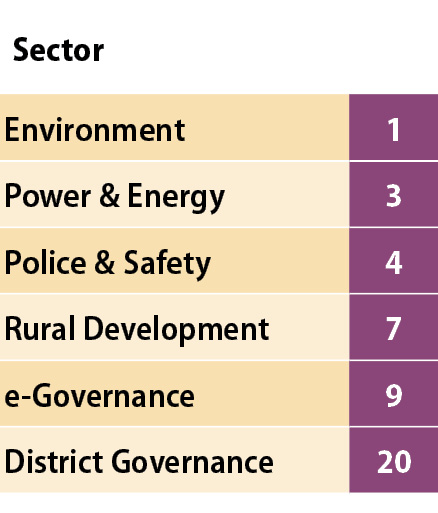
Across six categories, Gujarat performed very strongly this year. The state’s outlook in 2025 is not about uniform decline, it is about concentrated excellence in specific areas. This year 20 well-performing projects were qualified for deeper study.
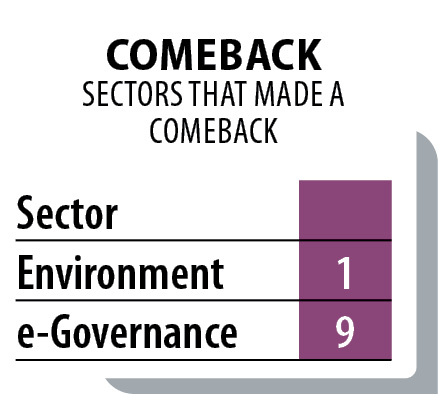
A Standout Comeback
One of the most notable achievements in 2025 is Gujarat’s leadership in the Environment category, where it tops the country.
Gujarat reflects a consolidation phase. Leadership in Environment, consistency in Power & Energy, structured reform in Police and recovery in e-Governance demonstrate capability
Environmental governance in the state has been reinforced through strengthened pollution monitoring systems, digital compliance tracking and structured environmental clearance processes. Real-time air and water quality monitoring mechanisms have improved transparency and enforcement.
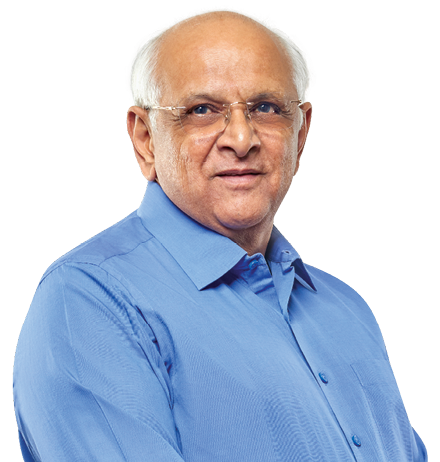
Including Lothal and Dholavira in heritage cluster tourism reflects Gujarat’s ‘Virasat bhi Vikas bhi’ vision. Alongside training thousands of tourist guides for iconic destinations, these efforts will boost tourism and generate employment
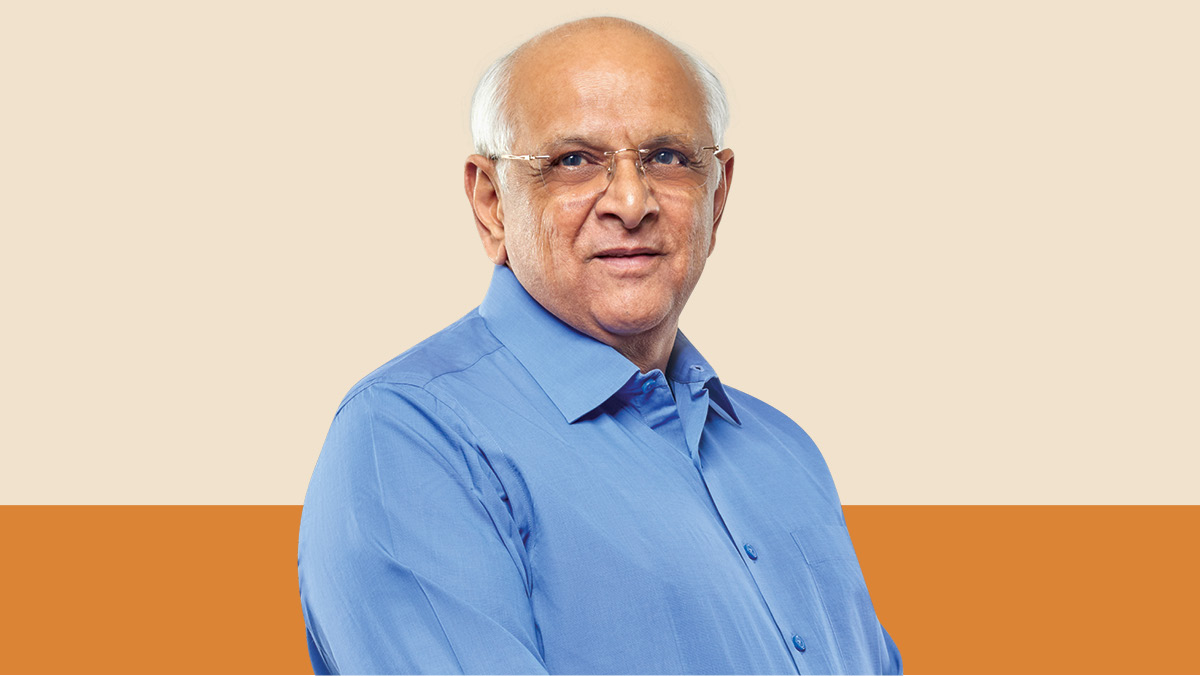
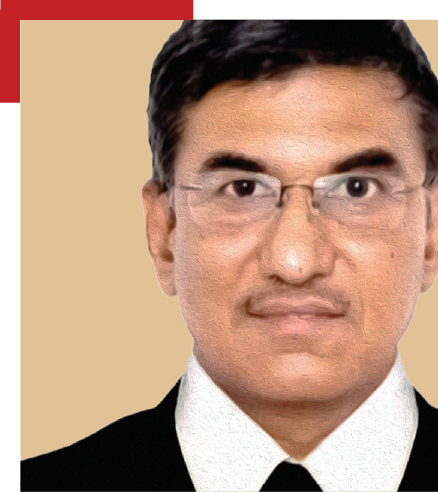
Bhupendrabhai Patel Chief Minister, Gujarat
In a state balancing industrial growth with ecological responsibility, reclaiming leadership in Environment signals a deliberate recalibration. It demonstrates that environmental oversight remains central to Gujarat’s governance framework.
Consistency at the Core
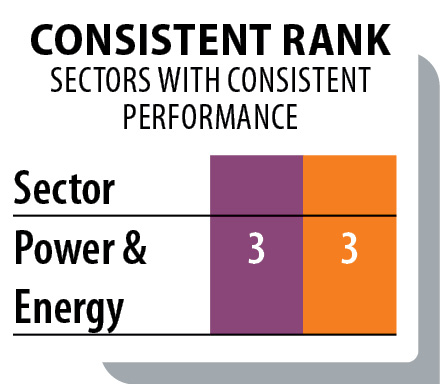
Even amid shifts in overall ranking, Gujarat maintains strong performance in Power & Energy, continuing its long-standing record of reliability in this sector.
Robust transmission infrastructure, digitised outage monitoring and improved billing transparency contribute to consistent service delivery. Power distribution reforms have strengthened accountability at operational levels, ensuring that supply remains dependable.
Digital Systems Rebound
Gujarat also recorded a recovery in e-Governance, ranking within the national top ten in 2025.
In governance, aggregate rank tells one story. Sectoral depth tells another. In 2025, Gujarat’s narrative is defined by focused strength within an intensely competitive national landscape, a state recalibrating rather than retreating
Integrated service portals, automated approvals and digital citizen interfaces reduce friction in service delivery. The rebound suggests renewed emphasis on technological integration across departments. In an increasingly digital governance landscape, strengthening e-Governance enhances transparency and efficiency.
Mission SMILE
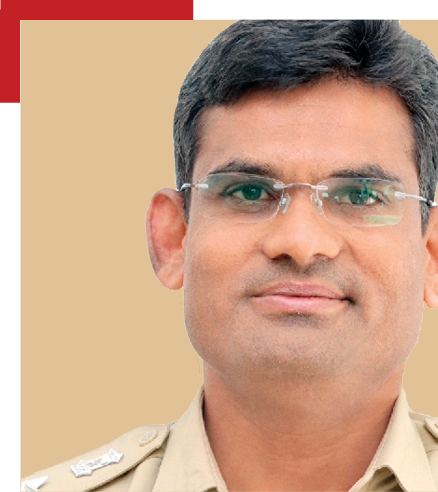
Sanjay Dnyanadeo Kharat
Superintendent of Police Amreli District Police
Mission SMILE was launched by the Amreli District Police in response to a critical gap identified in POCSO Act cases: many children lacked the foundational understanding of bodily autonomy to identify or report inappropriate behaviour. Recognising that social stigma and lack of awareness were major barriers to safety, the District Superintendent of Police conceptualised a systematic intervention in early 2025. The programme aims to move beyond reactive policing to a proactive, preventive model that empowers children, parents and educators to recognise and respond to “unsafe touch.”
The initiative’s was formalised in August 2025 through a collaborative seminar with a UNICEF State Consultant, which trained police personnel, teachers and Anganwadi workers. Following this, police teams began direct outreach to schools, utilising interactive tools like the short film Komal and guided discussions to build trust. By November 2025, Mission SMILE had already reached nearly 30,000 students across 221 schools.
The cumulative trajectory from 2014 to 2025 shows Gujarat’s governance model evolving within an increasingly competitive national environment. As other states intensify reforms across multiple categories, relative rankings can shift even when sectoral performance remains strong.
Web-based Decision Support System (DSS) for Environmental Clearance
Devang Mahipatlal Thaker
Member Secretary Gujarat Pollution Control Board
Developed in response to an overwhelming influx of construction-sector applications, which accounted for nearly half of all Environmental Clearance (EC) proposals, the DSS was designed to automate the evaluation process. By integrating algorithms aligned with the National Building Code (NBC) and CGDCR, the system enables applicants to self-evaluate their projects, fostering a culture of voluntary compliance while ensuring consistent, unbiased appraisal across all submissions.
The platform’s advanced features – including automated presentation generation and Minutes of Meetings (MoM) have significantly reduced administrative bottlenecks. In its first five months alone, the system processed 386 applications, proving its scalability and reliability. The DSS serves as a mature model for regulatory digitalisation, balancing automated efficiency with human-in-the-loop validation to correct inaccuracies.
The state has done remarkably well across various indicators, primarily being Health, e-Governance and Municipal Governance, all on the backing of technology
Telangana has embarked on a visionary journey to establish itself as a leader in Artificial Intelligence with a promise for inclusive growth and development. The state has consistently been at...