Odisha’s Ascent: Where Districts Lead and Tradition Thrives
On a humid morning in a district headquarters in Odisha, a young officer scans a digital dashboard tracking everything from pension disbursals to irrigation coverage. Miles away, in a weaving cluster, artisans upload new designs to an online marketplace that connects their looms to buyers across the country. In a tribal hamlet, welfare benefits are tracked and delivered digitally rather than on paper.
On a humid morning in a district headquarters in Odisha, a young officer scans a digital dashboard tracking everything from pension disbursals to irrigation coverage. Miles away, in a weaving cluster, artisans upload new designs to an online marketplace that connects their looms to buyers across the country. In a tribal hamlet, welfare benefits are tracked and delivered digitally rather than on paper.
These are not isolated scenes. They are snapshots of a governance model that is steadily becoming sharper, faster and grounded. Sixteen well-performing projects qualified for deeper study.
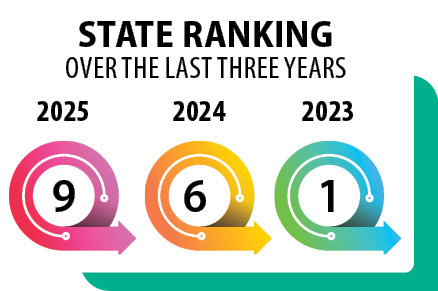
In the SKOCH State of Governance Report 2025, Odisha secured #9 position nationally, retaining its place among India’s top-performing states. But the rank only hints at the deeper story one of districts stepping forward, traditional sectors being reimagined and rural systems gaining resilience.
Districts in Spotlight
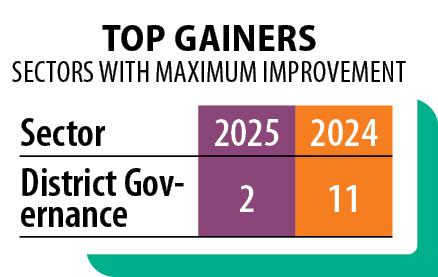
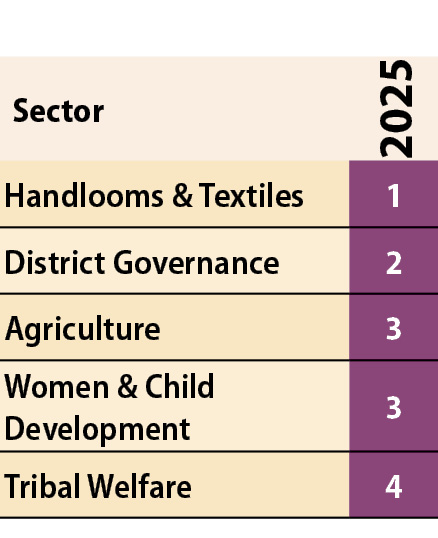
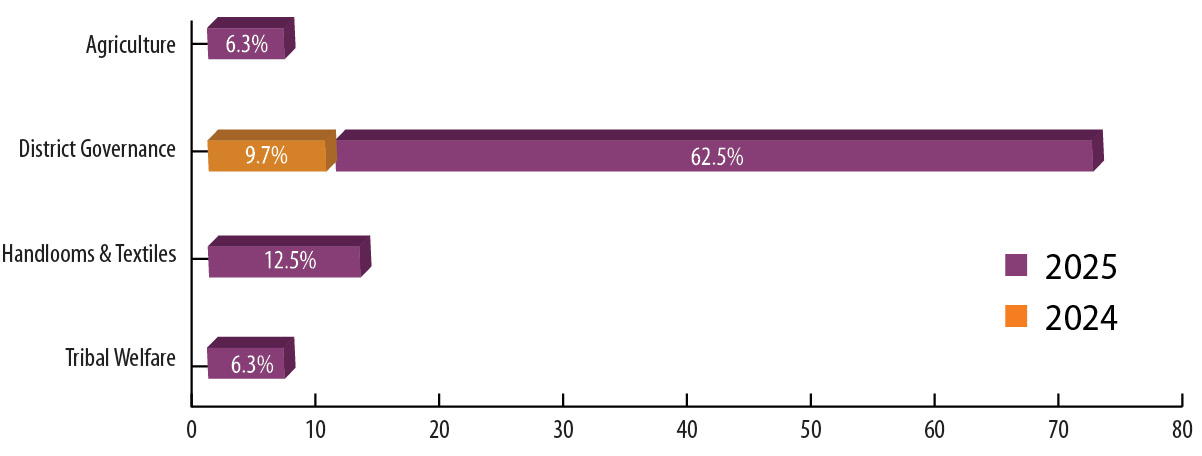
If one shift defines Odisha’s 2025 performance, it is the dramatic leap in District Governance. Rising from 11th position last year to 2nd nationally, the state’s districts have transformed from administrative outposts into engines of reform.
District Governance is where citizens experience the state most directly where grievances are filed, welfare benefits processed, crops insured and schools monitored. Odisha’s rise in this category reflects tighter monitoring systems, stronger coordination between departments and real-time performance tracking.
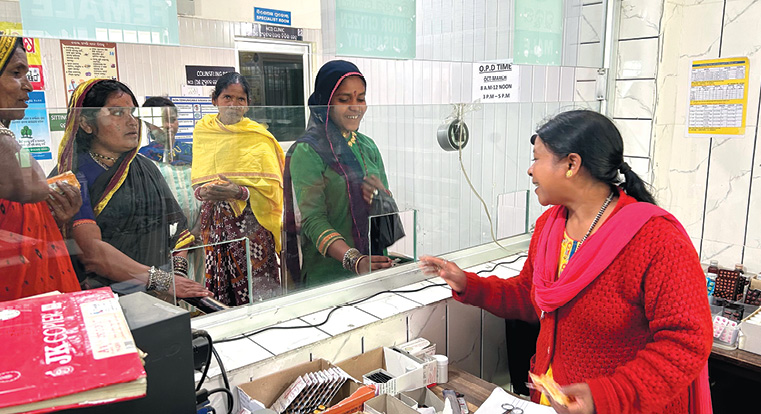
Dashboards have replaced delay-prone registers. Service timelines are monitored digitally. Convergence across health, agriculture and welfare schemes has improved targeting. The change is procedural but its impact is deeply human. It means a widow receives her pension faster. A farmer’s irrigation request is tracked more transparently. A grievance does not disappear into paperwork.
Weaving Heritage into Modern Growth
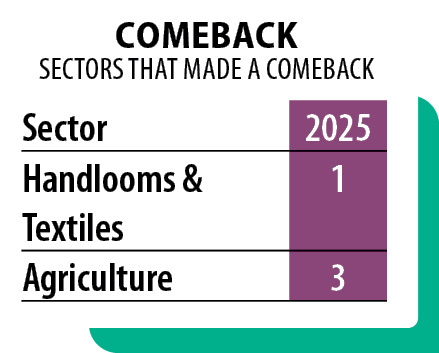
Odisha’s comeback in Handlooms & Textiles, where it topped the category nationally, adds texture to the governance narrative.
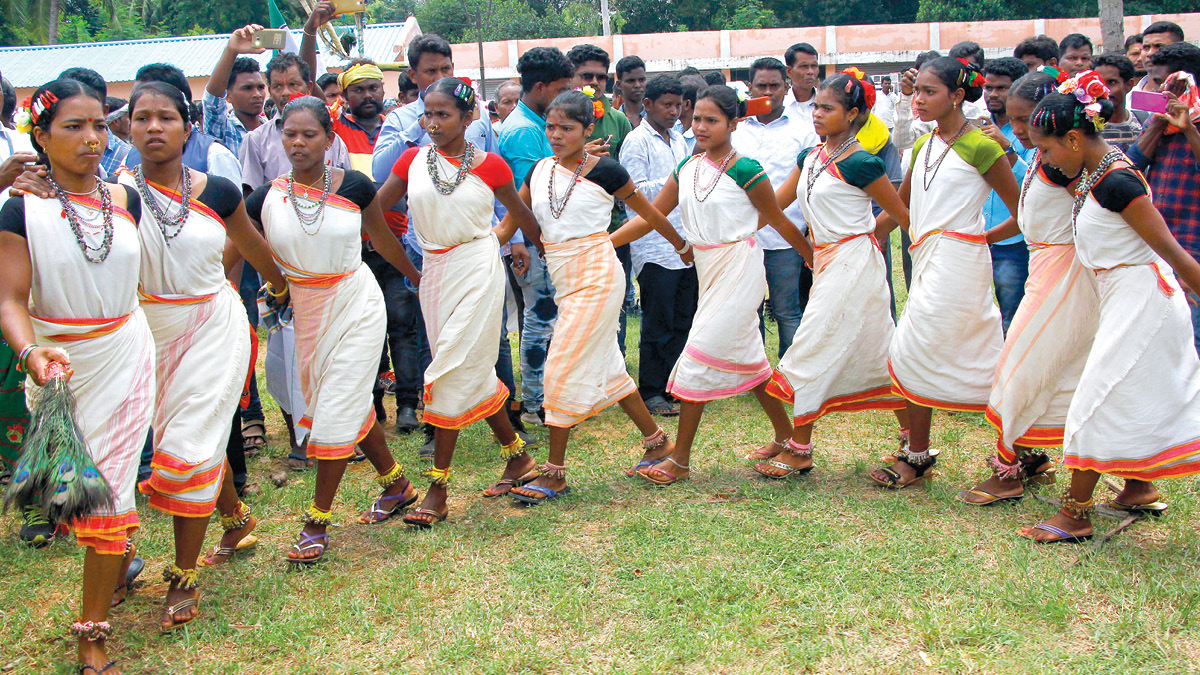
For generations, weaving communities have sustained Odisha’s cultural identity. In 2025, governance efforts have strengthened that tradition rather than sidelined it. Artisan clusters have been organised more effectively. Digital platforms are connecting weavers directly to markets. Branding initiatives have improved visibility for regional designs.
Rising to #9 nationally, Odisha’s dramatic leap in District Governance and strong comeback in Handlooms & Textiles highlight a state strengthening grassroots systems while revitalising heritage-based livelihoods
What emerges is a model where heritage is not nostalgic it is economically viable. By modernising supply chains and expanding market access, the state has ensured that traditional looms are not relics, but livelihoods.
Sectors with Enhanced Focus – Odisha
From Vulnerability to Stability
Agriculture remains the backbone of rural Odisha. This year, the state regained a strong national position in the sector, ranking among the top three.
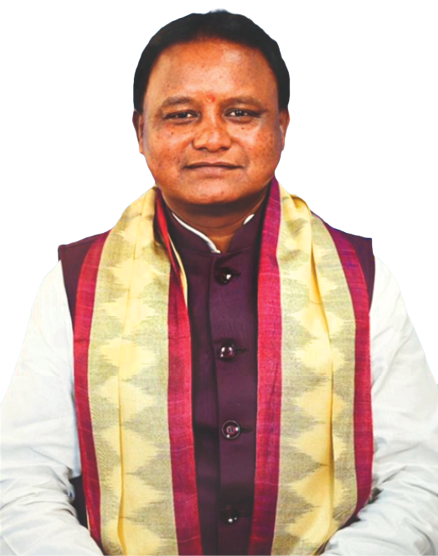
We aim to accelerate development and fulfil the aspirations of all sections of society. Key proposals include a Tourism Land Bank, a State Artificial Intelligence Mission and new universities and medical colleges, strengthening Odisha’s growth, education, healthcare and innovation ecosystem
Mohan Charan Majhi Chief Minister, Odisha
The recovery reflects structured crop planning, improved irrigation convergence and strengthened extension services. Farmers are benefiting from better coordination between departments and more systematic monitoring of schemes. Agriculture in Odisha is no longer approached as a standalone sector. It is linked with district governance systems, water management and rural infrastructure creating a web of support rather than isolated interventions.
Physical Rehabilitation and Therapeutics
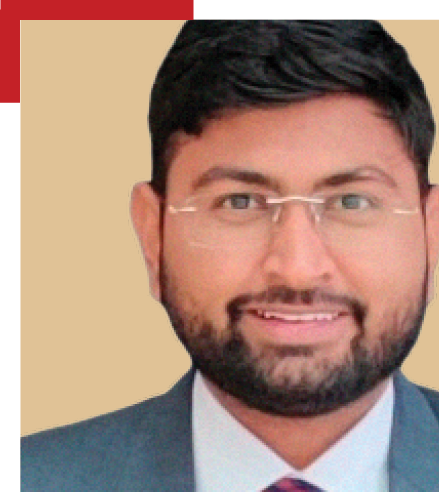
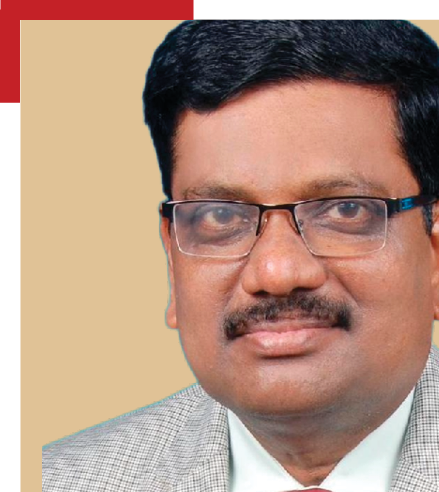
Manoj S Mahajan
District Collector-cum-Magistrate Sundargarh
By establishing the Advanced Rehabilitation Centre (ARC), the district introduced state-of-the-art robotic physiotherapy and high-quality artificial limb distribution to an economically disadvantaged population that previously lacked access to such life-altering technology.
The initiative’s success is anchored in its multi-tiered service model. To ensure geographic inclusivity, the administration established 20 Integrated Physiotherapy Units and Therapeutic Centres (IPUTCs) across all blocks, providing primary care at the doorstep. Patients requiring specialised intervention are referred to the high-end Therapeutic Service Centre (TSC) or the ARC for robotic-assisted recovery. To overcome the ‘last-mile’ mobility barrier, the project introduced E-Auto support, providing door-to-door transport for patients in remote areas. The impact of this decentralised approach is profound, with over 5.5 lakh therapy sessions delivered and 1,200 artificial limbs provided to date.
In a state frequently vulnerable to climate variability, such structured support builds stability.
Malaria Control
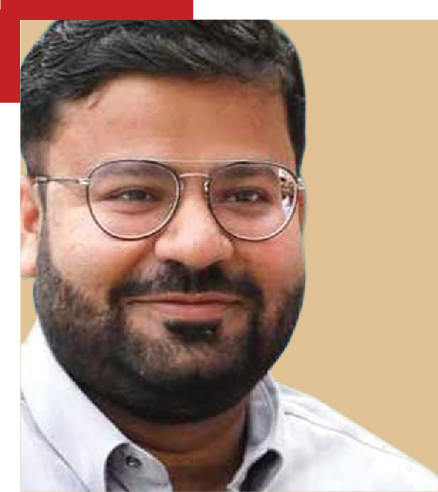
Subhankar Mahapatra
Collector-cum-District Magistrate Nabrangpur
Prior to the intervention, the district recorded an Annual Parasite Incidence (API) of around 17, driven by difficult terrain, remote habitations, limited healthcare access and a high prevalence of asymptomatic malaria cases that sustained transmission cycles. Launched in 2016 under the National Health Mission and strengthened significantly from 2017 onwards, the initiative combined large-scale prevention, active surveillance and community-based treatment. With support from the Global Fund, 7.43 lakh Long Lasting Insecticidal Nets (LLINs) were distributed across all 10 blocks and two urban local bodies.
This was complemented by the state’s DAMaN (Durgama Anchalare Malaria Nirakaran) pdrogrammeme, which targeted 254 high-endemic, hard-to-reach villages. The subsequent replenishment of 8.26 lakh LLINs further strengthened protection. As a result, Nabarangpur achieved a reduction, bringing API down to 1 by 2020.
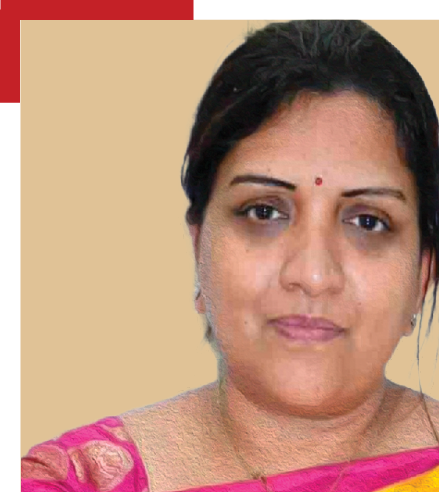
Nirikhyana
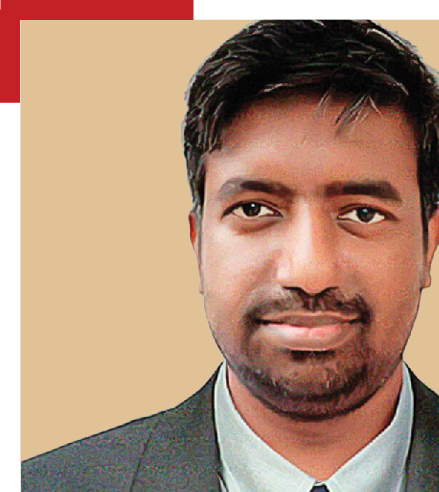
Dibyajyoti Parida
District Magistrate & Collector Ganjam
The Nirikhyan Programmeme in Ganjam District is a transformative public health initiative designed to eliminate barriers to essential maternal diagnostic services. Historically, the early detection of high-risk pregnancies was hindered by a lack of ultrasound (USG) facilities and the prohibitive costs associated with private diagnostics. By offering free USG tests to all pregnant women, the programme ensures that complications are identified in the first trimester. This proactive approach has drastically reduced maternal and neonatal mortality rates.
Within a single year (2023-24), the uptake of USG tests reached nearly 100% and the detection rate for high-risk pregnancies surged from 6% to 24.7%. This early identification directly contributed to an increase in institutional births, which now stand at 98.6%. By leveraging technology and community mobilisation, Nirikhyana has not only filled a critical diagnostic gap but also set a national benchmark for grassroots healthcare reform. It proves that even with limited resources, strategic governance can ensure safe motherhood.
Inclusion with Structure
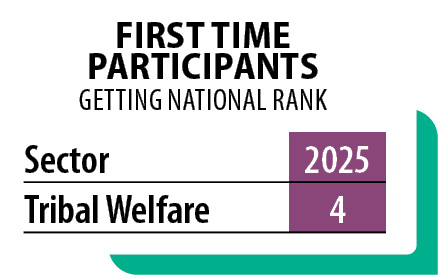
In its first year of participation in Tribal Welfare, Odisha entered the top ten nationally, securing fourth position. For a state with a significant tribal population, this achievement carries particular meaning. Focused livelihood programmes, educational outreach initiatives and digitised beneficiary tracking systems have strengthened inclusion. Delivery mechanisms are becoming more precise, ensuring that benefits reach intended communities. The strong entry in Tribal Welfare reflects not a sudden initiative, but sustained attention now gaining formal recognition.
Capacity Building, Skilling, Agro Enterprises and Entrepreneurship Development
Pravat Kumar Roul
Vice Chancellor Odisha University of Agriculture and Technology
This represents a strategic collaboration between the OUAT and OMBADC. This ambitious initiative targets seven mineral-rich yet economically lagging districts, aiming to bridge the critical divide between laboratory research and field application. By focusing on human resource development and agri-entrepreneurship, the programme seeks to convert these resource-rich landscapes into thriving hubs of agricultural productivity and sustainable livelihoods.
The programme operates through an integrated network of Krishi Vigyan Kendras (KVKs) and Regional Research Stations, providing the essential infrastructure for hands-on learning and technological demonstration. As of 2025, the project has successfully empowered 7,560 beneficiaries, including 4,800 farmers and nearly a hundred newly minted entrepreneurs. Beyond individual training, the initiative fosters vital collaborations between research institutions, government departments and local stakeholders to ensure long-term economic viability.
Grounded Impact
Odisha’s 2025 performance rests on concentrated excellence rather than scattered gains. Strong results in District Governance, Handlooms & Textiles, Agriculture and Tribal Welfare have driven its national standing.
Special Discount & Night Bazar
Guha Poonam Tapas Kumar
Commissioner-cum-Secretary Odisha State Handloom WCS Ltd
The project was implemented in January 2025 and combined aggressive pricing strategies with experiential retail. A successive discount scheme of 20 per cent, 10 per cent and 5 per cent was rolled out across all Bhubaneswar outlets and the e-commerce platform. This was complemented by a unique Night Bazar at the Boyanika Exclusive Sales Outlet, offering an additional 5 per cent discount during late-night hours from 11 PM to 7 AM. The Night Bazar was designed as a cultural experience, featuring live loom-weaving demonstrations, Odia instrumental bhajans and food counters.
The initiative delivered exceptional outcomes. The Unit-III Bhubaneswar outlet alone recorded sales of Rs 3.3 crore, while cumulative sales across Bhubaneswar outlets and e-commerce touched nearly Rs 5 crore within five days.
With renewed momentum in Agriculture and an impressive first-time performance in Tribal Welfare, Odisha demonstrates focused reform, inclusive outreach and governance increasingly driven by accountability and local innovation
The cumulative journey over the past decade shows a state steadily strengthening its institutional foundations. This year marks consolidation where earlier reforms are translating into sharper outcomes. What stands out is the balance between modern systems and local identity. Digital dashboards coexist with traditional looms. Data-driven agriculture complements age-old farming practices. Inclusion frameworks strengthen tribal outreach.
Close to the Ground
Odisha’s story in 2025 is less about dramatic overhauls and more about steady confidence. It is visible in district offices where data informs decisions. In weaving clusters where artisans find new markets. In farms where irrigation and crop planning reduce uncertainty. In tribal communities where welfare delivery is more predictable. But beyond rankings, Odisha’s achievement lies in something quieter that feels closer to the ground.
The state has done remarkably well across various indicators, primarily being Health, e-Governance and Municipal Governance, all on the backing of technology
Telangana has embarked on a visionary journey to establish itself as a leader in Artificial Intelligence with a promise for inclusive growth and development. The state has consistently been at...