In the quiet, sun-washed lanes of rural India, a silent revolution has been unfolding led not by governments or global institutions, but by women armed with courage, small loans and dreams far larger than their circumstances. For decades, these women had been invisible to the formal financial world. And then, almost quietly, a partner stepped into their lives, one that believed they could be the architects of their own destiny.
When Muthoot Microfin began its journey as an NBFC-MFI in 2015, the goal was simple yet bold: bring credit to the women who had long been excluded from India’s formal financial system. The mission grew into something larger. It wasn’t just about loans; it was about choices, confidence and rewriting destinies.
From its base in Kochi, the company expanded into more than 25,000 villages, reaching 3.4 million women. Each loan was more than a financial product, it was a seed of transformation. Tea stalls flourished, dairy farms expanded and tailoring units became lifelines for entire families.
Muthoot Microfin realised that true empowerment required responsibility. In 2018, it adopted a forward-looking ESG framework, well before such ideas became mainstream. Soon, every branch, every process and every employee became part of a culture rooted in ethics, sustainability and care.
Digitisation arrived as another turning point. The Mahila Mitra app and handheld devices not only reduced paper use by up to 87% but also taught rural women the language of India’s digital economy.
Yet, the company’s impact stretched far beyond finance. Tele-eclinics brought doctors to remote districts, sanitation loans built safer homes and solar-powered branches lit up rural landscapes with clean energy.
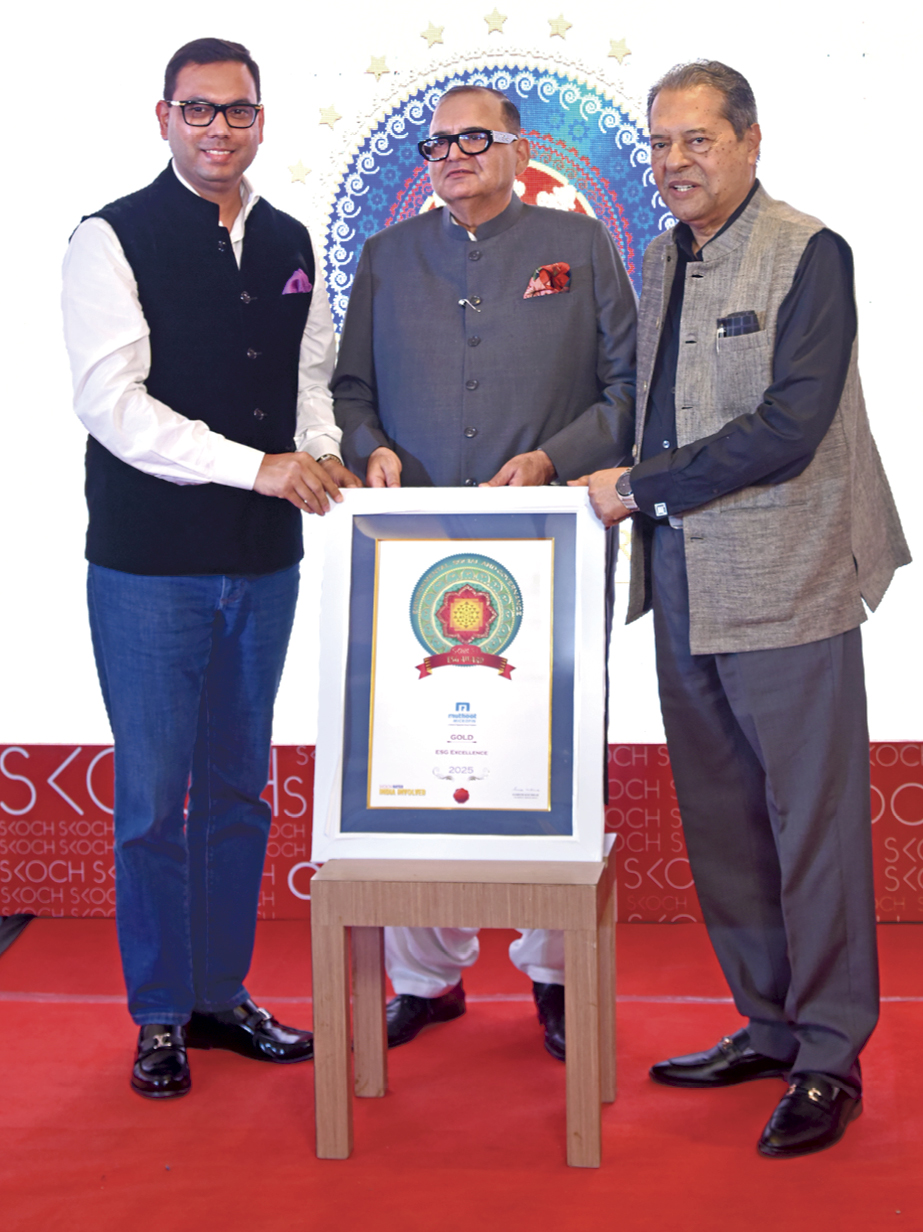
In 2025, the company’s efforts were recognised with the prestigious CARE Edge-ESG 1 rating, the highest in India’s BFSI sector. But the true recognition lies in the eyes of the women who now stand taller, dream bigger and walk a little faster toward their futures.
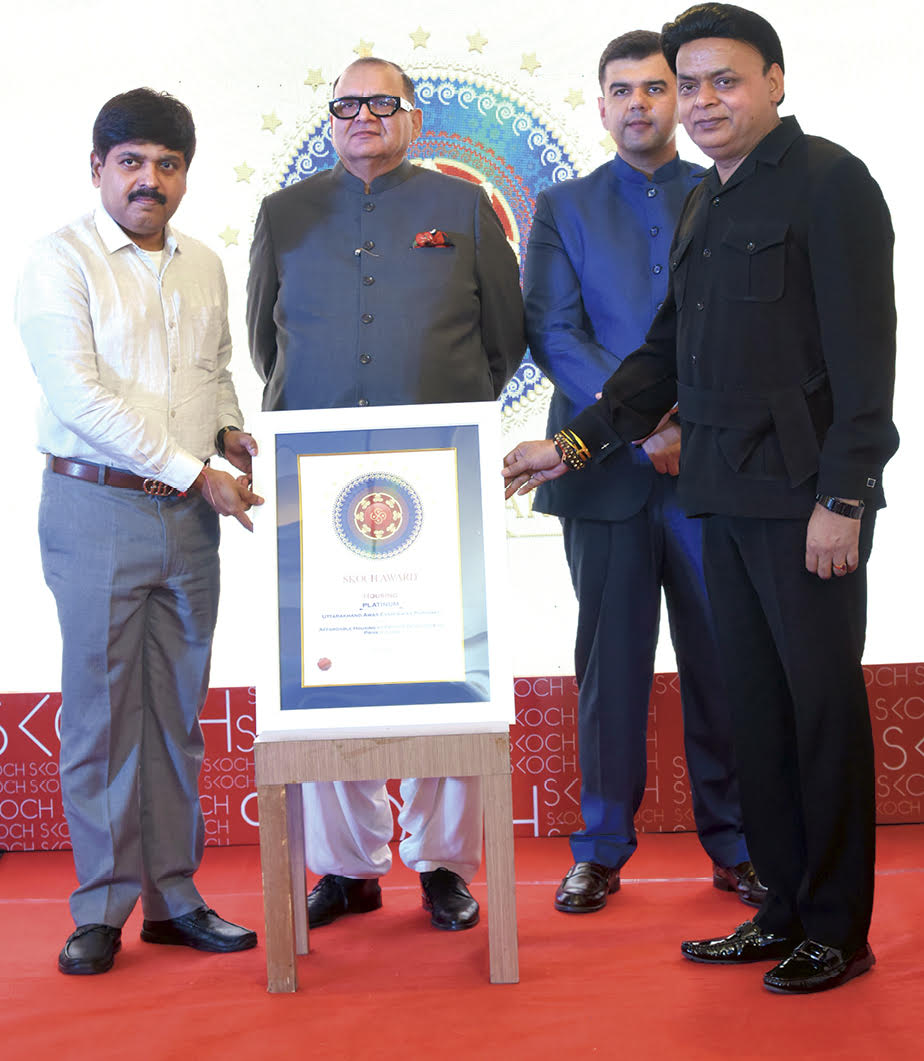
The Affordable Housing project emerged as a path-breaking response to Uttarakhand’s acute land scarcity and the growing demand for homes among the economically weaker sections (EWS). Implemented under the Pradhan...
The revamping of the ICAAP framework and the launch of a Risk Appetite Dashboard further strengthen this structure. These tools provide consolidated views of credit, liquidity and market risk indicators,...
That capital flows into SHG-led Enterprises & Urban Job Creation, where 31,637 new livelihood units take shape, 9,183 members gain “walk-to-work” placements and 143,173 entrepreneurs formalise via MSME registration. This...
In 2020, JSCB faced an alarming situation — the Gross Non-Performing Asset (GNPA) ratio stood at an unsustainable 51.63%, while the Net NPA (NNPA) was 18.48%. Recognising the existential threat,...
Bahraich is an agriculture-based district and most of the population practices agriculture for their livelihood. Hence, the District Administration of Bahraich initiated the project to tackle and deal with the...
"American roads are good not because America..
State Rankings Highlights -: Odisha scaled to number..
Step 1: Call for Project Submission Call for..
In the run-up to the elections, the most..

Inclusion is the first magazine dedicated to exploring issues at the intersection of development agendas and digital, financial and social inclusion. The magazine makes complex policy analyses accessible for a diverse audience of policymakers, administrators, civil society and academicians. Grassroots-focused, outcome-oriented analysis is the cornerstone of the work done at Inclusion.